

Are you stuck trying to decide between porcelain and ceramic tile for your next flooring project? You are not alone.
Every year, thousands of homeowners across the country face this exact dilemma — and choosing the wrong tile can mean costly repairs and a floor that simply does not hold up to daily life.
When it comes to porcelain vs ceramic tile flooring which is better, the answer is not black and white. It depends on where you plan to install it, how much traffic the space gets, your budget, and your design goals.
In this complete guide, you will get a side-by-side breakdown of both materials — covering durability, cost, installation, water resistance, and real-world performance.
Continue reading to discover exactly which tile type is right for your home.
At Prime Epoxy Flooring, we have helped hundreds of homeowners in Delaware and Pennsylvania navigate this exact decision, and we are here to share everything we know so you can choose with confidence.
What Is Porcelain Tile and What Is Ceramic Tile?
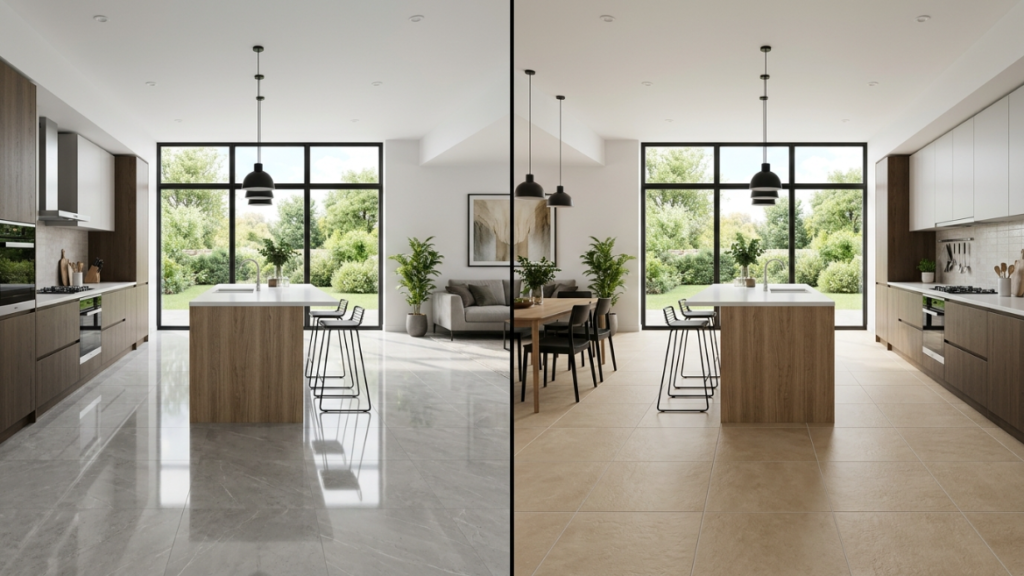
Before diving into which is better, it helps to understand what makes each tile type distinct. Both are made from clay and fired in a kiln, but the similarities largely stop there.
What Is Ceramic Tile?
Ceramic tile is made from a blend of natural clay, sand, and water, shaped and fired at relatively lower temperatures.
It is typically finished with a glaze on top that gives it its color and pattern. That glaze is what protects the tile’s porous inner body from moisture and staining.
Ceramic tile has been used in homes for centuries and remains one of the most affordable flooring options on the market today.
Because ceramic is softer and easier to cut, it is a favorite among DIY enthusiasts and installers working on lighter-traffic interior spaces.
It comes in an enormous range of sizes, colors, and patterns — making it versatile for bathrooms, kitchens, laundry rooms, and backsplashes.
What Is Porcelain Tile?
Porcelain tile is a specific type of ceramic tile, but manufactured using a much finer, denser clay and fired at significantly higher temperatures — typically above 2,300°F.
This process results in a tile that is harder, denser, less porous, and far more resistant to moisture than standard ceramic.
The Tile Council of North America classifies a tile as porcelain only when its water absorption rate is 0.5% or less.
This makes porcelain suitable for outdoor applications, high-humidity environments, and high-traffic commercial spaces — in addition to all the places ceramic can go.
Porcelain vs Ceramic Tile Flooring Which Is Better: The Key Differences
This is where the comparison gets practical.
When homeowners ask about porcelain vs ceramic tile flooring which is better, they are usually trying to solve a specific problem — whether that is waterproofing a bathroom, upgrading a busy kitchen, or finding the most cost-effective option for a renovation.
Here is a detailed side-by-side breakdown:
Porcelain vs Ceramic Tile
| Feature | Porcelain Tile | Ceramic Tile |
|---|---|---|
| Hardness (Mohs Scale) | 7–8 | 5–6 |
| Water Absorption | Less than 0.5% | 3%–7% |
| Durability | Excellent | Good |
| Best Use | Indoor & outdoor, high traffic | Indoor, light to moderate traffic |
| Cost per sq ft (material) | $3–$10+ | $1–$5 |
| Installation Cost | $5–$15/sq ft | $4–$10/sq ft |
| DIY Friendly | Moderate (harder to cut) | Yes (easier to cut) |
| Weight | Heavier | Lighter |
| Frost Resistance | Yes | Usually no |
| Maintenance | Low | Low to moderate |
Durability: Which Tile Lasts Longer?
Durability is one of the most important factors in any flooring decision — and it is where porcelain consistently outperforms ceramic.
When evaluating porcelain vs ceramic tile flooring which is better for long-term performance, porcelain is the clear winner in most scenarios.
Porcelain’s denser composition makes it highly resistant to chipping, cracking, scratching, and heavy impact.
It handles constant foot traffic in entryways, hallways, and kitchens without showing wear. In fact, properly installed porcelain tile can last 50 years or more with basic maintenance.
Ceramic tile, while durable for moderate-traffic indoor spaces, is more susceptible to chipping at the edges and surface scratching over time.
It holds up well in bedrooms, guest bathrooms, and other low-traffic areas. However, it may not be the best choice for a busy family kitchen or a high-use entryway.
The team at Prime Epoxy Flooring works with both tile types daily across Delaware and Pennsylvania.
We consistently recommend porcelain for high-traffic zones and ceramic for budget-conscious renovations in lighter-use rooms. If you want to see what that expertise looks like in real projects, check out our project gallery for inspiration.
Water Resistance: The Critical Factor for Bathrooms and Kitchens
If you are installing floor tile in a bathroom, kitchen, basement, or any moisture-prone space, water resistance should be your top priority.
When it comes to porcelain vs ceramic tile flooring which is better for wet environments, porcelain wins decisively.
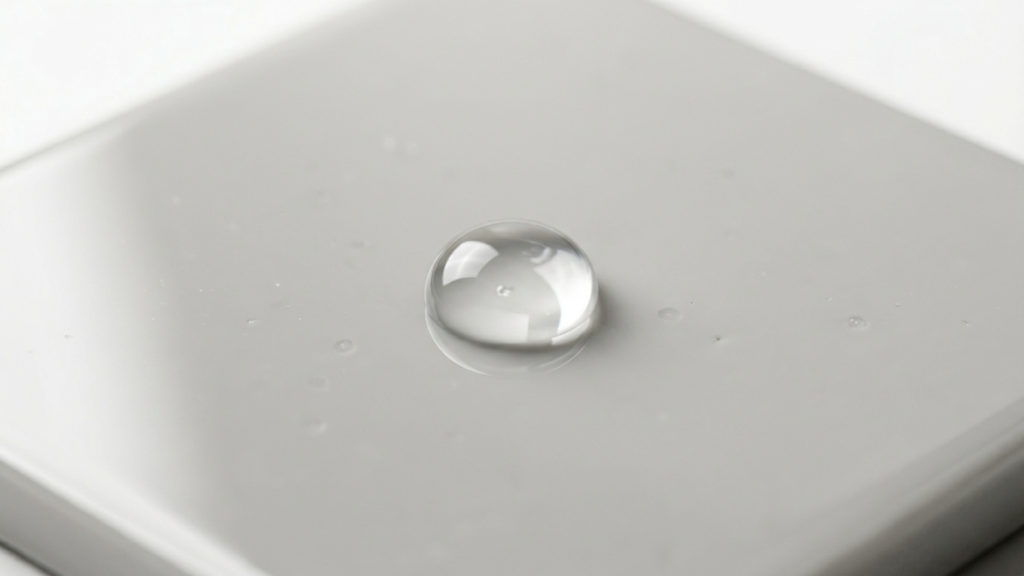
Porcelain absorbs less than 0.5% water due to its dense, vitrified structure. This makes it virtually impervious to moisture.
Even if the surface glaze chips or cracks, the tile body itself resists water penetration. This quality makes porcelain the ideal choice for bathroom floors, shower surrounds, laundry rooms, and basement floors.
Ceramic tile has a water absorption rate between 3% and 7%. While the surface glaze provides good protection, that protection is not permanent.
If the glaze cracks or wears down, the porous tile body underneath can absorb moisture. Over time, this can lead to mold growth, cracking in cold climates, and structural damage.
If you are planning a tile project and want expert guidance on moisture management, our tile installation specialists in Greenville, DE and tile installation team in King of Prussia, PA can assess your specific space and recommend the right tile material for lasting results.
Cost Comparison: Which Tile Fits Your Budget?
Budget is a major deciding factor for most homeowners, and the cost difference between porcelain and ceramic is significant.
When evaluating porcelain vs ceramic tile flooring which is better from a financial standpoint, ceramic is the more affordable upfront option.
Ceramic tile typically ranges from $1 to $5 per square foot for materials alone. Porcelain tile generally costs $3 to $10 or more per square foot depending on finish, size, and brand.
When it comes to labor, ceramic is easier to cut and handle, which can reduce installation hours.
Porcelain requires diamond-tipped blades and more precision, which may add slightly to the total cost.
Expect to pay $4–$10 per square foot installed for ceramic and $5–$15 per square foot installed for porcelain.
While ceramic costs less upfront, porcelain’s superior durability means fewer replacements and repairs over the years.
For high-traffic or moisture-heavy areas, investing in porcelain today often saves significantly more in the long run.
Our team helps clients evaluate the total cost of ownership — not just the price per square foot. You can reach us directly through our contact page to get a personalized estimate for your project.
Design and Aesthetics: Which Tile Looks Better?
From a purely visual standpoint, both tile types offer impressive design versatility.
However, modern manufacturing has given porcelain a notable edge in realistic aesthetics. When asking porcelain vs ceramic tile flooring which is better for design impact, the answer depends on the look you want to achieve.
Ceramic tile comes in thousands of colors, patterns, and sizes. Its glazed surface allows for vibrant prints, hand-painted designs, and intricate artistic tile work.
It is a natural fit for decorative backsplashes, accent walls, and rooms where visual expression matters more than heavy-duty durability.
High-end porcelain tiles can convincingly replicate the look of natural stone, hardwood, concrete, and even fabric at a fraction of the cost.
Through-body porcelain — where the pattern runs through the entire tile body rather than just the surface — offers a seamless look even when chipped.
Large-format porcelain tiles, 24×24 inches or larger, create a sleek, modern aesthetic that is very popular in contemporary homes.
If you want the look of hardwood without the upkeep, our dedicated tile flooring services are a great starting point.
You might also explore our luxury vinyl plank flooring options in King of Prussia, PA — another excellent alternative that delivers a convincing wood look with superior water resistance.
Where Should You Use Each Type of Tile?
Understanding porcelain vs ceramic tile flooring which is better for specific rooms makes the decision much clearer.
Porcelain is the right call for entryways, kitchens, full bathrooms, mudrooms, laundry rooms, outdoor patios, basements, and any commercial space that sees consistent heavy use.
Ceramic shines in guest bedrooms, decorative accent walls, backsplashes, hobby rooms, and budget-conscious renovations in dry interior spaces where traffic is light.
For homeowners across our service area, our tile installation team in Media, PA and tile installation professionals in Norristown, PA are available for in-home consultations to recommend the ideal tile for each room in your specific home.
Installation: Which Tile Is Easier to Install?
When weighing porcelain vs ceramic tile flooring which is better from an installation standpoint, ceramic comes out ahead for ease.
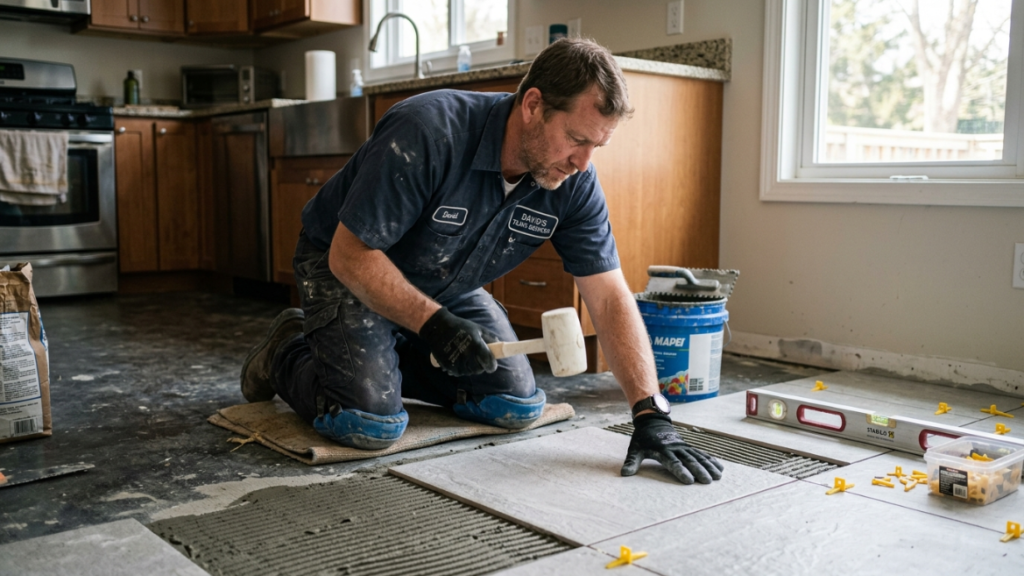
Ceramic tile is lighter and softer, making it simpler to cut with standard tile saws and score-and-snap cutters. This is why it remains a popular choice for experienced DIYers.
Porcelain, being denser and harder, requires professional-grade wet saws with diamond blades and more skill to install cleanly.
Mistakes during cutting can lead to cracked tiles and wasted material. For most homeowners, porcelain installation is best left to experienced professionals.
Some of the most common installation mistakes to avoid include using the wrong adhesive — always use a polymer-modified thinset for porcelain.
Skipping floor leveling is another critical error, as uneven subfloors cause tiles to crack over time.
Not allowing adequate expansion gaps along walls, grouting too soon before the adhesive fully cures, and choosing grout lines that are too narrow for large-format tile are also frequent problems.
Our tile installation specialists in Glen Mills, PA and tile installation experts in Broomall, PA handle every one of these details with precision — from subfloor preparation through final grout sealing.
Maintenance and Cleaning: What Does Each Tile Require?
Both tile types are relatively low maintenance compared to hardwood or carpet, but there are practical differences worth knowing.
When considering porcelain vs ceramic tile flooring which is better for a busy household, porcelain’s lower porosity gives it a meaningful cleaning advantage.
For porcelain, regular sweeping or vacuuming removes grit that can scratch the surface over time.
Mopping with a pH-neutral cleaner diluted in warm water keeps it looking sharp. Unglazed porcelain may require periodic sealing every one to two years.
Acidic cleaners like vinegar should be avoided on polished porcelain surfaces, as they can dull the finish over time.
Ceramic tile maintenance is similar — sweep and mop regularly with a mild detergent, and the glazed surface resists most everyday stains effectively.
On both tile types, grout maintenance deserves close attention. Grout lines should be sealed annually to prevent discoloration and mold growth.
For high-traffic kitchens, darker or sanded grout hides staining better. For wet areas, epoxy grout provides the best long-term resistance against moisture and stains.
If you are curious about flooring options that require even less upkeep, our luxury vinyl plank flooring services in Media, PA offer a waterproof, scratch-resistant alternative worth considering.
Real Customer Experiences: What Homeowners Say
Understanding porcelain vs ceramic tile flooring which is better becomes much more tangible when you hear from homeowners who have lived with both options.
One Prime Epoxy Flooring client in Wilmington, DE shared this experience:
“We had ceramic tile in our old kitchen and it looked great for the first two years. But after a while the grout cracked and the edges of a few tiles chipped near the dishwasher. When we renovated, we went with porcelain throughout the first floor. The difference in quality is night and day — it still looks brand new three years later.”
Another customer from the Media, PA area noted:
“We used ceramic for our guest bathroom and porcelain for the master bath and kitchen. Honestly the best of both worlds for our budget. The team at Prime Epoxy Flooring helped us figure out where to splurge and where to save. Professional, thorough, and the results exceeded our expectations.”
You can read more verified reviews on our Google Business Profile and explore completed projects in our photo gallery.
Is Porcelain or Ceramic Tile Better for Outdoor Use?
Outdoor tile installation introduces a whole new set of demands — freeze-thaw cycles, UV exposure, wet surfaces, and uneven ground.
When asking porcelain vs ceramic tile flooring which is better for outdoor spaces, the answer is almost always porcelain.
Porcelain’s low water absorption rate means it resists cracking when trapped moisture freezes and expands inside the tile during cold weather.
This is a critical consideration for homeowners in Delaware and Pennsylvania, where winter temperatures regularly drop well below freezing.
Ceramic tile, unless specifically rated for outdoor use, is generally not recommended for patios, pool decks, or exterior stairs.
Even frost-rated ceramic absorbs more water than porcelain, making it a riskier long-term choice in freeze-prone climates.
If you are considering tile for a deck or covered outdoor area, our decking services offer additional solutions worth exploring to complement your exterior tile plans.
Case Study: Full Home Tile Renovation in Wilmington, DE
A family in Wilmington recently undertook a full first-floor renovation with Prime Epoxy Flooring.
Their home featured outdated ceramic tile throughout the kitchen, two bathrooms, and the entryway.
After an in-home consultation, our team recommended a hybrid approach based on room-specific performance needs.
The entryway and kitchen received 24×24 porcelain tiles in a matte concrete finish — chosen for their durability and ease of cleaning under heavy daily use.
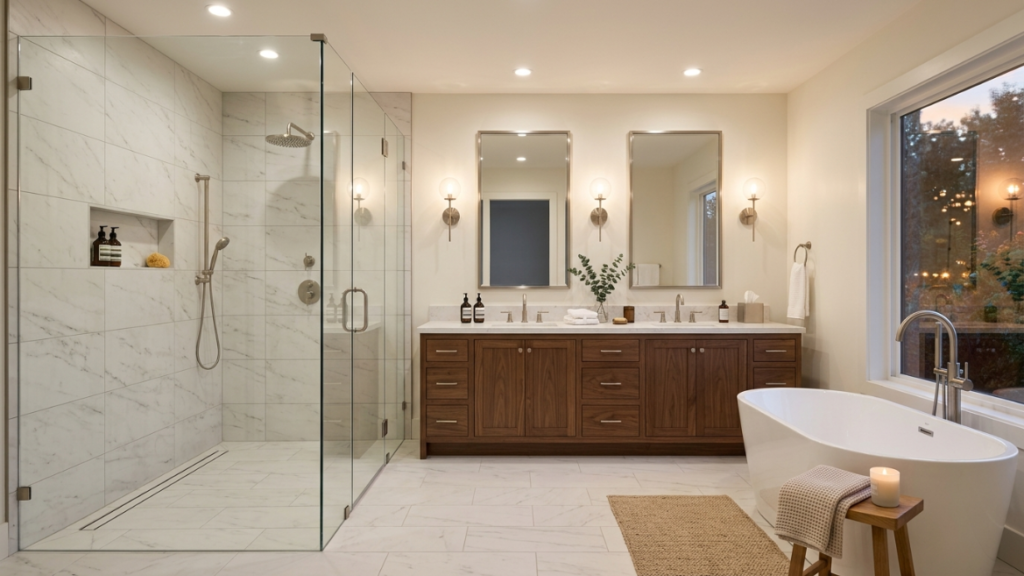
The primary bathroom was updated with 12×24 porcelain in a realistic wood-look pattern.
The guest bathroom, which sees far less traffic and moisture exposure, was finished with 12×12 ceramic tile in a classic white and dark grout combination.
The total project covered approximately 680 square feet.
The client reported a dramatic improvement in the home’s overall appearance and has experienced zero cracking or chipping in the three years since installation.
This case illustrates exactly why knowing porcelain vs ceramic tile flooring which is better for each specific space leads to better outcomes and longer-lasting value.
For homeowners in surrounding areas, our tile installation services in Greenville, DE and tile installation team serving Media, PA are ready to bring the same level of care and expertise to your project.
Porcelain vs Ceramic Tile Flooring Which Is Better: The Room-by-Room Verdict
To make this decision as clear as possible, here is the final verdict by room type.
In the kitchen, porcelain wins — moisture, grease, and heavy traffic demand a denser, harder tile.
In the bathroom, porcelain wins again — water resistance is simply non-negotiable.
In a bedroom, ceramic is a smart choice — lower traffic and no moisture concerns make the cost savings worthwhile.
For outdoor patios, porcelain is essential — freeze-thaw resistance is critical in cold climates like Delaware and Pennsylvania.
For a backsplash, ceramic wins — decorative options are wider and performance demands are lower.
In the basement, porcelain wins — ground-level moisture requires low-absorption tile.
In the laundry room, porcelain is preferred — heavy appliances and water exposure favor a denser material.
In the living room, either tile works well — preference alongside budget can guide the final decision.
Featured Snippet Target — this room-by-room breakdown is structured for Google’s People Also Ask results.
Comparing Tile With Other Flooring Options
Tile is not always the only answer for every space.
Depending on your project and lifestyle, there are excellent complementary flooring solutions worth knowing about.
For spaces where warmth and classic beauty matter, our hardwood and engineered wood flooring remains one of the most timeless choices available.
If waterproofing is a priority but you want the look of wood, our luxury vinyl plank and luxury vinyl tile options offer a realistic, durable, and budget-friendly alternative.
For high-traffic utility spaces like garages and commercial floors, our flake epoxy flooring delivers unmatched durability.
If your renovation includes the staircase, we also handle stair flooring to ensure a seamless look throughout your home.
If you already have hardwood elsewhere in the house, our sanding and refinishing services can restore it to match the quality of your new tile installation perfectly.
For homeowners in Wilmington, our hardwood flooring services in Wilmington, DE and hardwood flooring options in Newark, DE are also available to round out your full flooring plan.
Frequently Asked Questions
Q: Porcelain vs ceramic tile flooring which is better for bathrooms?
Porcelain is the better choice for bathrooms. Its water absorption rate of less than 0.5% prevents moisture from penetrating the tile body, significantly reducing the risk of mold, cracking, and structural damage. It is the preferred material for shower floors, bathroom floors, and any wet area.
Q: Which tile is cheaper — porcelain or ceramic?
Ceramic tile is generally less expensive, ranging from $1 to $5 per square foot for materials, compared to porcelain at $3 to $10 or more. However, porcelain’s longer lifespan and lower maintenance requirements often make it the more cost-effective option over time.
Q: Can you use porcelain tile outdoors?
Yes. Porcelain is frost-resistant and absorbs minimal water, making it an excellent choice for outdoor patios, pool decks, and exterior stairways — especially in cold climates like Delaware and Pennsylvania where freeze-thaw cycles are a real concern.
Q: How do I know if a tile is porcelain or ceramic?
Check the water absorption rating on the tile’s packaging. Porcelain must have a rate of 0.5% or less per TCNA standards. As a general rule, porcelain is also heavier, harder to cut, and typically priced higher than comparable ceramic options.
Q: Is professional installation necessary for porcelain tile?
While experienced DIYers can handle ceramic tile confidently, professional installation is strongly recommended for porcelain. Its hardness requires precision cutting tools and careful technique, particularly for large-format tiles and wet areas where movement and waterproofing are critical.
Conclusion
Choosing between porcelain and ceramic tile does not have to be overwhelming.
After walking through every key factor in this guide, the core takeaway is clear: porcelain is the superior performer in demanding conditions, and ceramic is the smarter choice for budget-focused projects in lower-stress environments.
The question of porcelain vs ceramic tile flooring which is better ultimately comes down to where you are installing, how much traffic the space sees, your exposure to moisture, and your long-term budget goals.
For most kitchens, bathrooms, entryways, and outdoor spaces — invest in porcelain.
For guest rooms, accent walls, and budget renovations in dry interior spaces — ceramic delivers excellent results at a lower cost.
A hybrid approach that applies each tile type where it performs best will give you the best combination of value, durability, and design.
At Prime Epoxy Flooring, we have helped hundreds of homeowners across Wilmington, Newark, Media, King of Prussia, Norristown, Broomall, and Glen Mills make exactly this decision with confidence.
Whether you are renovating one bathroom or upgrading your entire first floor, we are here to guide you from material selection through final installation.
Contact us today for a free consultation and let our flooring specialists help you choose and install the right tile the first time.
Follow our latest work and client transformations on Instagram and Facebook, and visit our FAQ page if you have additional questions before reaching out.
Prime Epoxy Flooring 300 Cassidy Dr Ste 305, Wilmington, DE 19804, United States Phone: +1 (302) 600-2835 Email: info@primeepoxyflooring.com Business Hours: Monday–Friday 8AM–5PM | Saturday 8AM–12PM