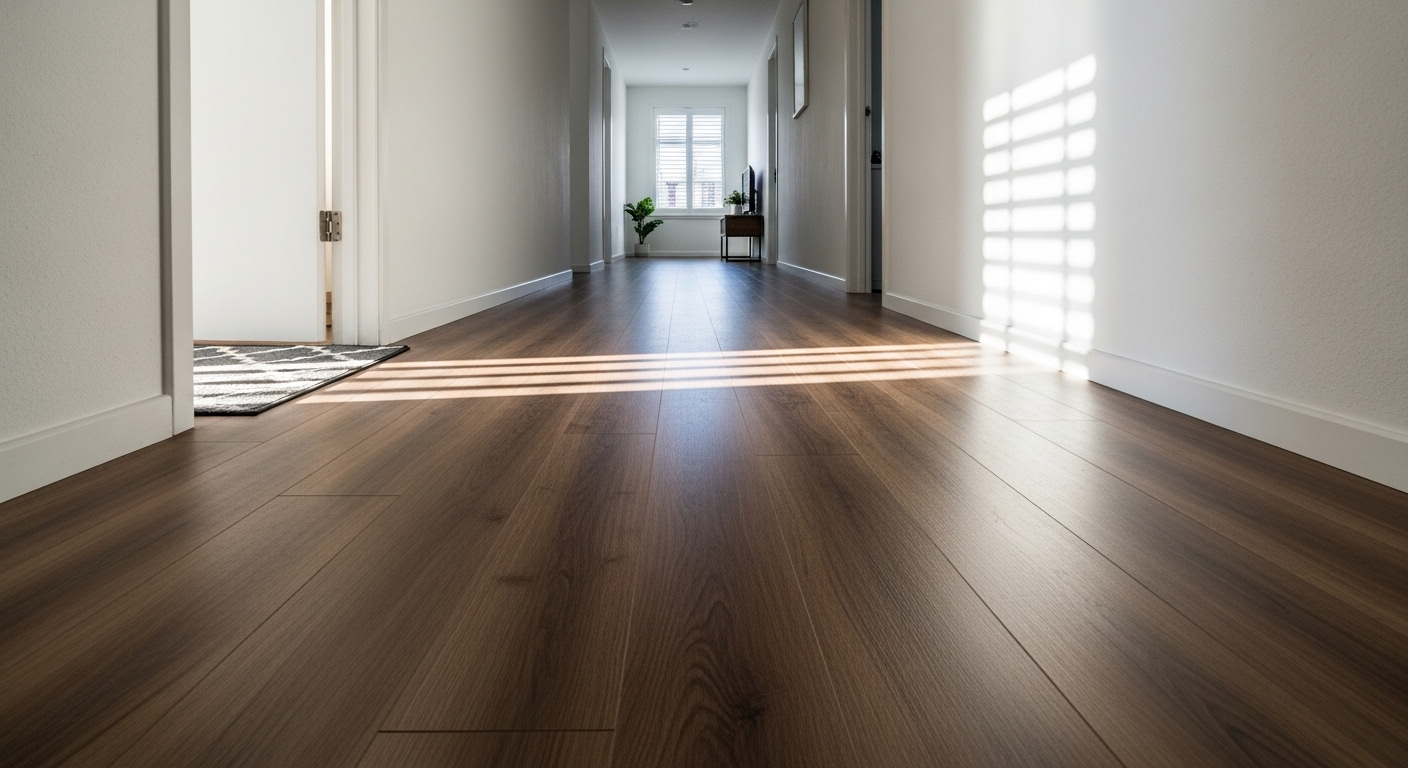
Are you damaging your floors every time you clean them? Millions of homeowners across the United States use the wrong products and methods when learning how to clean laminate floors — and the damage is often irreversible. Warping, bubbling, scratches, and a dull surface are all signs that something in your cleaning routine is wrong.
The good news is that once you understand the correct approach, how to clean laminate floors becomes simple and fast. In this guide, you will learn the seven most effective techniques, the safest products, a step-by-step routine, common mistakes to avoid, and expert advice from the team at Prime Epoxy Flooring in Wilmington, DE. Continue reading to protect your floors and keep them looking brand new for years to come.
What Are Laminate Floors and Why Is Proper Cleaning So Important?
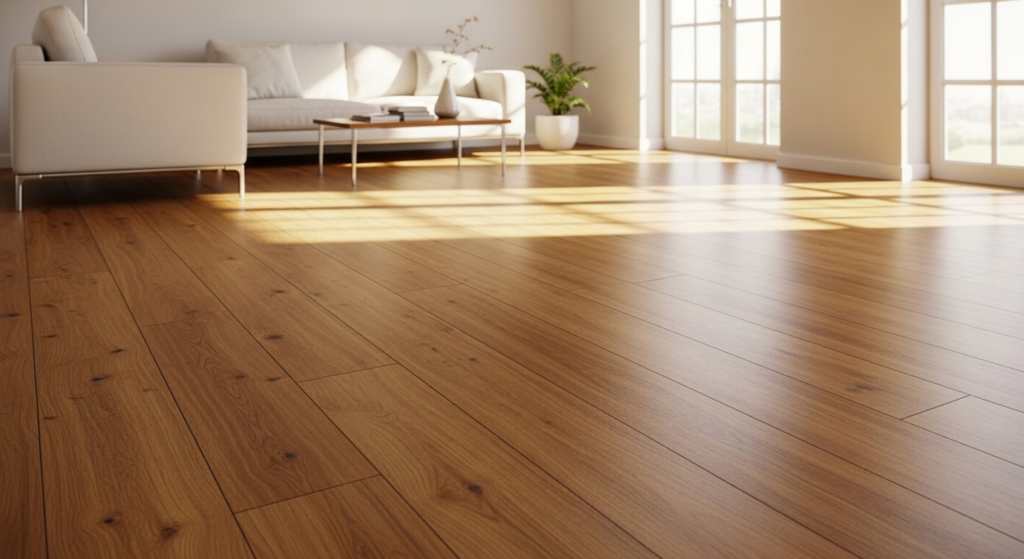
Before diving into the methods for how to clean laminate floors, it helps to understand what you are working with. Laminate flooring is a multi-layer synthetic product made of a photographic surface layer bonded to a high-density fiberboard (HDF) core, protected by a clear wear layer on top.
That HDF core is the critical weakness: it is extremely sensitive to moisture. Unlike hardwood, which can be sanded and refinished, laminate cannot be restored once water penetrates the core and causes swelling. This is why how to clean laminate floors correctly — with minimal moisture and no harsh chemicals — is so important for long-term durability.
At Prime Epoxy Flooring, we install and advise on laminate flooring, hardwood, luxury vinyl plank, and tile across Delaware and Pennsylvania. The single most common post-installation question we receive is: what is the right way to clean laminate floors?
The Right Tools for Cleaning Laminate Floors
Knowing how to clean laminate floors starts with having the right equipment. The tools you use matter just as much as the technique.
Use these:
- Soft-bristle broom or microfiber dust mop
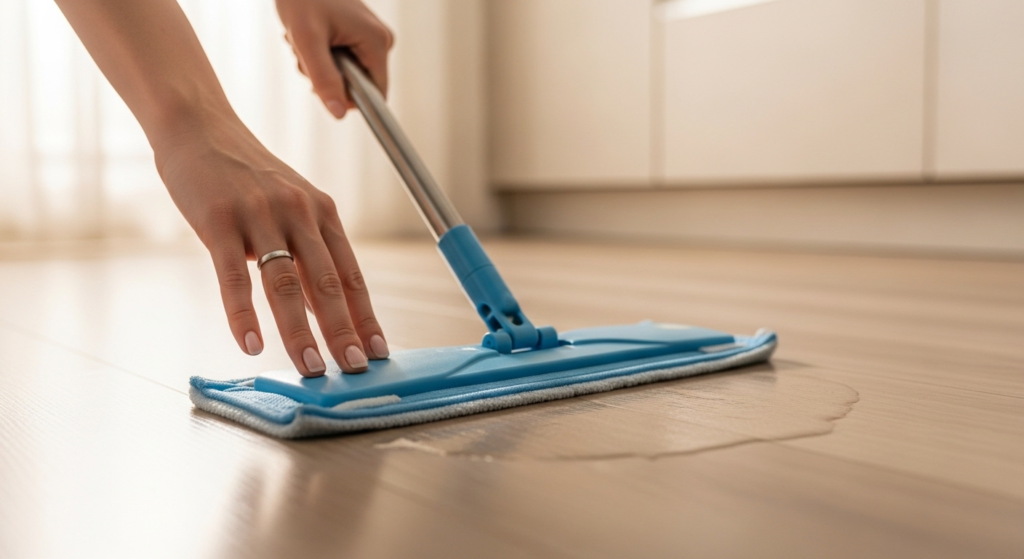
- Flat-head microfiber mop (lightly damp — never soaking)
- Spray bottle for controlled liquid application
- Microfiber cloths
- Vacuum on hard-floor setting (beater bar off)
Avoid completely:
- Steam mops — excess heat and moisture destroy the HDF core
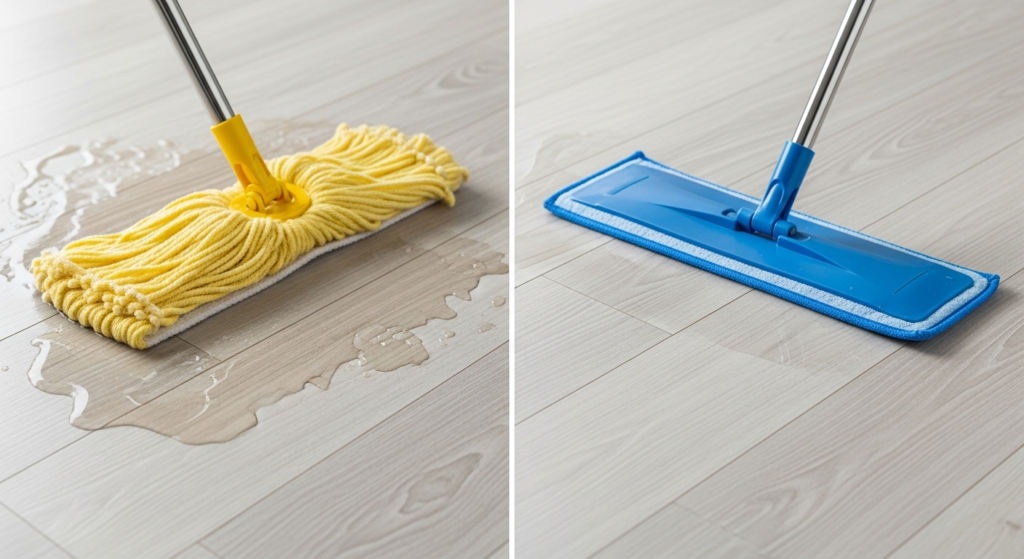
- Wet string mops — too much water, too much risk
- Abrasive sponges or scrub brushes — scratch the wear layer
- Wax, polish, or oil-based cleaners — create a sticky film buildup
- Bleach or ammonia-based products — degrade the protective coating
7 Proven Ways to Clean Laminate Floors
Here are the seven most reliable methods professionals use for how to clean laminate floors safely and effectively.
Method 1: Daily Dry Sweep
The simplest answer to how to clean laminate floors on a daily basis is a dry microfiber dust mop or soft-bristle broom. Sweep in the direction of the planks to push dirt and debris toward the edges. This alone prevents up to 70% of surface damage, since small grit particles act like sandpaper when dragged across the floor.
Method 2: Vacuum on Hard-Floor Mode
A vacuum cleaner set to its hard-floor mode is highly effective for how to clean laminate floors in rooms with heavy foot traffic or pet hair. Always disable the rotating beater bar — that spinning brush is designed for carpet and will cause micro-scratches on laminate over time.
Method 3: pH-Neutral Spray and Microfiber Mop
This is the gold standard method for how to clean laminate floors in most homes. Fill a spray bottle with a solution of 1 tablespoon of pH-neutral dish soap mixed with 4 liters of warm water. Spray a 3–4 square foot section, then immediately mop with a barely damp microfiber mop in the direction of the planks. Work in small sections and dry each area before moving on.
Method 4: Commercial Laminate Floor Cleaner
Specialized products like Bona Hard-Surface Floor Cleaner or Black Diamond Wood and Laminate Floor Cleaner are formulated specifically for how to clean laminate floors without leaving residue or dulling the surface. Apply using a spray mop system for the best results and follow the product label instructions exactly.
Method 5: Spot Cleaning for Stains
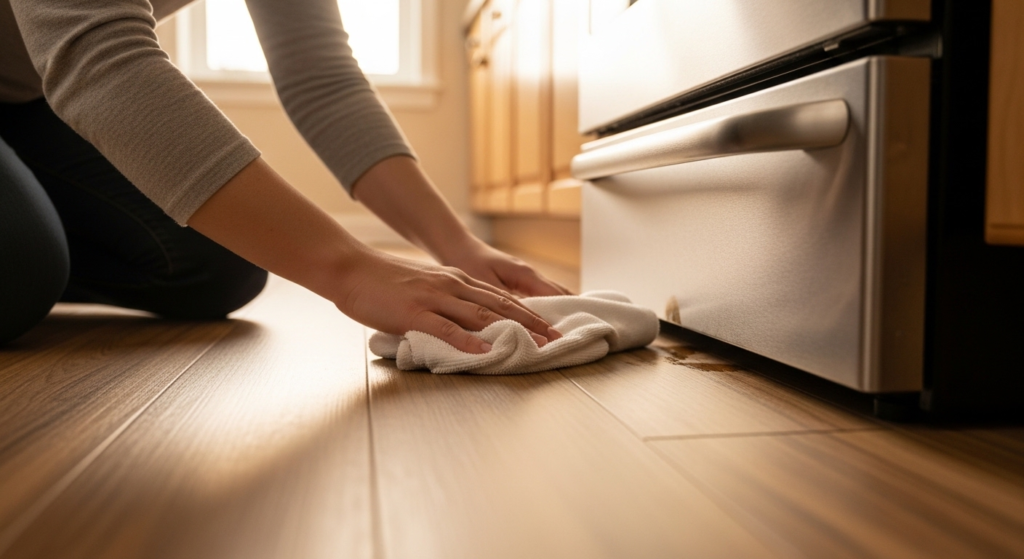
Targeted stain removal is an essential part of knowing how to clean laminate floors. Use a slightly damp microfiber cloth and apply your cleaning solution directly to the cloth — never to the floor. Blot the stain gently rather than scrubbing, and dry immediately.
Method 6: Rubbing Alcohol for Stubborn Marks
For scuff marks, ink, or sticky residue, rubbing alcohol applied to a small microfiber cloth is one of the safest and most effective techniques in how to clean laminate floors without damaging the surface. Apply with light pressure, wipe clean, and dry the area right away.
Method 7: Diluted Vinegar for Odor and Pet Stains (Occasional Use Only)
While vinegar should not be your regular cleaner, a diluted solution of 1 part white vinegar to 10 parts water works well for occasional odor removal, particularly pet stains. Use it sparingly as part of how to clean laminate floors after pet accidents, and always neutralize the area with a water-damp cloth afterward to prevent acidity buildup.
Step-by-Step Routine: How to Clean Laminate Floors Properly
Follow this routine every time for a streak-free, safe result:
- Sweep or vacuum to remove all loose debris
- Mix your pH-neutral cleaning solution in a spray bottle
- Spray a small section of the floor (never pour liquid directly)
- Mop with a barely damp microfiber mop, working with the plank direction
- Dry each section immediately with a clean dry cloth
- Spot treat any remaining stains using the rubbing alcohol method
- Allow the floor to fully air dry before replacing rugs or furniture
This seven-step process covers every aspect of how to clean laminate floors from start to finish and takes less than 30 minutes for most rooms.
How to Remove Specific Stains From Laminate Floors
Understanding how to clean laminate floors goes beyond routine mopping — stain removal requires knowing which treatment works for each type:
| Stain Type | Best Treatment | Avoid |
|---|---|---|
| Grease or food | Dish soap + warm water on damp cloth | Abrasive scrubbers |
| Ink or marker | Rubbing alcohol on microfiber cloth | Pouring directly on floor |
| Scuff marks | Dry cloth or pencil eraser | Sharp or metal tools |
| Dried gum | Ice in a bag to harden, then plastic scraper | Metal scrapers |
| Pet urine | Diluted vinegar (1:10) solution | Bleach or ammonia |
| Paint | Dry cloth while wet; acetone on dry paint | Wire brushes |
How Often Should You Clean Laminate Floors?
The recommended cleaning schedule for how to clean laminate floors is:
- Daily: Dry sweep or dust mop to remove loose debris
- Weekly: Damp mop with pH-neutral cleaning solution
- Monthly: Full clean with a commercial laminate-specific cleaner
- Quarterly: Inspect plank joints and edges for moisture infiltration
- Immediately: Address spills and stains the moment they occur
Common Mistakes That Damage Laminate Floors
Even experienced homeowners make these errors regularly. Avoid them every time you practice how to clean laminate floors at home.
Too much water: The number one cause of laminate floor failure. When water seeps into the plank joints, it causes the HDF core to swell — and that damage cannot be reversed. Keep your mop barely damp.
Using a steam mop: Steam forces hot moisture directly into the floor’s structure. Even one or two uses can void your manufacturer warranty and cause irreversible swelling. Steam mops should never be part of your routine for how to clean laminate floors.
Regular vinegar cleaning: Vinegar’s acidity gradually breaks down the protective wear layer, making the floor look permanently dull. Occasional spot use is acceptable, but it should never be your standard cleaner.
Skipping the dry sweep: If you mop without sweeping first, you are dragging abrasive particles across the surface with a wet cloth — the equivalent of using sandpaper on your floor.
Applying wax or polish: Laminate already has a factory-sealed surface. Wax creates a sticky residue that attracts more dirt and is nearly impossible to remove without damaging the floor.
Our team at Prime Epoxy Flooring has replaced dozens of laminate floors in the Wilmington and Newark areas that were prematurely damaged by steam mops and over-wet cleaning. The replacement cost is always significantly higher than the effort of learning how to clean laminate floors the right way.
Best Products to Use When Cleaning Laminate Floors
Choosing the right product is a key part of mastering how to clean laminate floors without causing wear or residue:
- Bona Hard-Surface Floor Cleaner — pH neutral, fast-drying, no residue
- Black Diamond Wood and Laminate Floor Cleaner — streak-free, highly rated
- Rejuvenate All Floors Restorer — adds light shine without wax
- Zep Hardwood and Laminate Floor Cleaner — concentrated, cost-effective
If you are uncertain which product suits your specific floor’s finish, age, or brand, the team at Prime Epoxy Flooring is available Monday through Friday, 8AM to 5PM, and Saturday 8AM to 12PM to answer any questions.
How to Protect Laminate Floors Between Cleanings
Prevention is the other half of knowing how to clean laminate floors well. These habits reduce the frequency and intensity of cleaning needed:
- Attach felt pads to all furniture legs to prevent scratches
- Use area rugs in high-traffic hallways and entryways
- Remove outdoor shoes at all entry points
- Keep pet nails trimmed regularly
- Maintain indoor humidity between 35% and 65%
- Use curtains or blinds in sun-facing rooms to prevent UV fading
These are the same recommendations the Prime Epoxy Flooring team provides to every homeowner after installing new laminate in homes across Wilmington, Bear, DE, Middletown, DE, Glen Mills, PA, and Broomall, PA.
Laminate Floors vs. Other Floor Types: Cleaning Guide
| Floor Type | Water Tolerance | Can Use Steam Mop? | Refinishable? | Cleaning Difficulty |
|---|---|---|---|---|
| Laminate | Very Low | No | No | Easy if done correctly |
| Hardwood | Low | No | Yes | Moderate |
| Luxury Vinyl Plank | High | Some brands | No | Easy |
| Ceramic Tile | Very High | Yes | No | Easy |
| Engineered Wood | Low-Medium | No | Limited | Moderate |
If you are considering switching to a lower-maintenance floor type, Prime Epoxy Flooring installs luxury vinyl plank in Norristown, PA, tile in King of Prussia, PA, and hardwood in Wilmington, DE — all with full post-installation care guidance.
What Customers Say About Prime Epoxy Flooring
“Prime Epoxy Flooring installed our laminate throughout the entire first floor and walked us through exactly how to maintain it. Two years later, it still looks brand new.” — Sarah M., Wilmington, DE (Google Review)
“After learning how to clean laminate floors the right way from the Prime Epoxy team, I stopped using my steam mop — the floors look 100% better now. Wish I had known sooner.” — Linda R., Bear, DE (Google Review)
“Best flooring company in Delaware. Professional, fast, and they left a full care guide. I finally understand how to clean laminate floors without damaging them.” — James T., Newark, DE (Google Review)
Browse completed projects in our gallery or read more about our team on the About Us page.
FAQ: How to Clean Laminate Floors
Can I use a Swiffer WetJet on laminate floors?
Yes, with caution. The Swiffer WetJet dispenses a light mist, which is generally safe for laminate if you avoid oversaturating any single area. The dry Swiffer Sweeper is safe for daily use. Always follow with a dry pass on wet areas.
What is the best homemade solution for cleaning laminate floors?
Mix 1 tablespoon of pH-neutral dish soap with 1 gallon of warm water in a spray bottle. Some homeowners add a small amount of rubbing alcohol for a streak-free finish. Never use this mixture with a soaking-wet mop.
Why does my laminate floor look streaky after mopping?
Streaks happen when too much product is used or the mop is too wet. Go over the floor with a barely damp cloth using only clean water, then dry immediately. Switching to a spray-and-mop method eliminates this problem for most people.
Is it safe to use vinegar regularly on laminate floors?
No. Regular vinegar use degrades the protective wear layer over time and may void your floor warranty. Diluted vinegar (1:10 with water) is acceptable for occasional pet stain treatment only.
How do I clean laminate floors in a kitchen where grease builds up?
Sweep daily to prevent greasy grit from being dragged across the surface. Add a small amount of degreasing dish soap to your weekly mop solution. Spot clean near the stove and sink with a damp microfiber cloth before the full mop pass.
Conclusion
Mastering how to clean laminate floors is one of the highest-return habits a homeowner can develop. The rules are simple: sweep daily, damp mop weekly, use pH-neutral cleaners, avoid excess water, never steam mop, and treat stains immediately. Follow these seven methods consistently and your laminate floors will remain beautiful for 15 years or more.
Whether you are maintaining existing floors or considering a new installation, Prime Epoxy Flooring is your trusted partner across Delaware and Pennsylvania. We serve homeowners in Newark, DE, Smyrna, DE, Greenville, DE, Media, PA, Norristown, PA, and King of Prussia, PA.
Ready to get professional flooring services in your home? Contact Prime Epoxy Flooring today for a free estimate. Our specialists are ready to help.
Prime Epoxy Flooring
300 Cassidy Dr Ste 305, Wilmington, DE 19804
Phone: +1 (302) 600-2835
Email: info@primeepoxyflooring.com
Hours: Mon–Fri 8AM–5PM | Sat 8AM–12PM
View on Google Maps | Instagram | Facebook