

If you’re about to invest in new floors, one of the first questions you’ll ask is: how long does LVP flooring last homeowners who want a durable, low-maintenance solution? The answer might surprise you — and it could make LVP the smartest flooring decision you’ll ever make for your home.
Luxury Vinyl Plank (LVP) has taken the home improvement market by storm, and for good reason. It mimics the look of hardwood at a fraction of the cost, handles moisture like a champion, and holds up remarkably well in high-traffic areas. But how long does LVP flooring last homeowners in real-world conditions — not just in a showroom brochure?
In this guide, you’ll get honest, practical answers backed by industry expertise. Keep reading to discover exactly what affects LVP lifespan, how to maximize it, and when it’s time to replace your floors.
Ready to install LVP flooring in your home? Contact Prime Epoxy Flooring today and get a free consultation with our team in Wilmington, DE.
What Is LVP Flooring and Why Do Homeowners Love It?
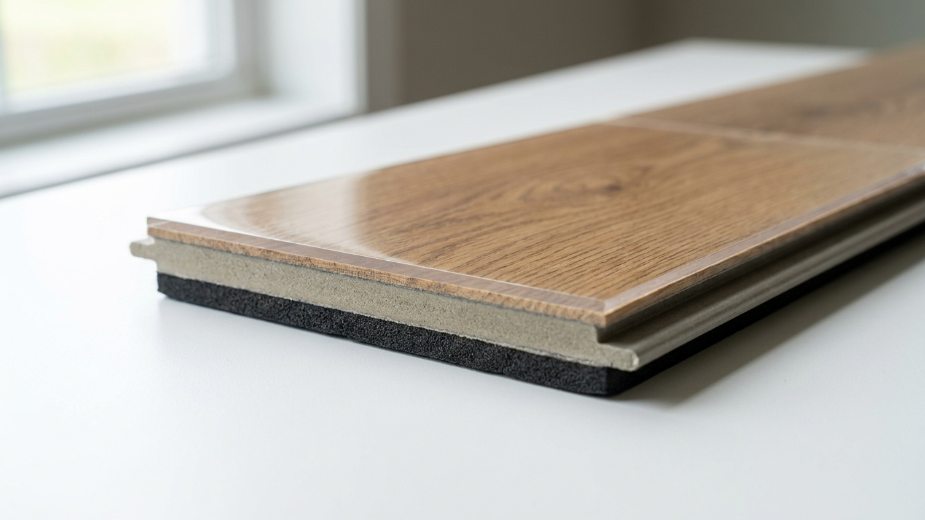
Before diving into lifespan, it’s worth understanding what you’re actually buying. Luxury Vinyl Plank is a multi-layer synthetic flooring product designed to replicate the appearance of hardwood or stone. It consists of:
- A wear layer (the top protective coating)
- A printed design layer (the realistic wood or stone visual)
- A core layer (rigid or flexible, depending on the product)
- A backing layer (for stability and underlayment)
The wear layer is the most critical factor in determining how long does LVP flooring last homeowners on a practical, day-to-day level. Thicker wear layers mean longer lifespans and greater resistance to scratches, scuffs, and heavy foot traffic.
At Prime Epoxy Flooring, we work with homeowners across Delaware and Pennsylvania — from Wilmington to King of Prussia — and LVP is consistently one of the top choices for families who want beauty without constant upkeep. You can explore our full Luxury Vinyl Plank and Luxury Vinyl Tile service page to see the options we carry and install.
How Long Does LVP Flooring Last Homeowners on Average?
This is the heart of the question, and the answer varies depending on the grade of product and how it’s maintained.
On average, how long does LVP flooring last homeowners depends heavily on wear layer thickness. Budget LVP with a 6-mil wear layer typically lasts 5 to 10 years. Mid-grade products with a 12-mil wear layer last 10 to 20 years. Commercial-grade LVP with a 20-mil or higher wear layer can last 25 years or more with proper care.
Here’s a quick reference table:
| Wear Layer Thickness | Expected Lifespan | Best For |
|---|---|---|
| 6 mil | 5–10 years | Low-traffic areas, rentals |
| 12 mil | 10–20 years | Average family homes |
| 20 mil | 20–25 years | High-traffic residential |
| 28 mil+ | 25+ years | Commercial / heavy use |
Understanding how long does LVP flooring last homeowners at each wear layer level allows you to match the product to your actual lifestyle — not just your budget.
For homeowners in areas like Greenville, DE or Media, PA, where renovations are common in older homes, choosing at least a 12-mil wear layer is what our installers consistently recommend.
7 Key Factors That Determine How Long LVP Flooring Lasts
Knowing the average lifespan is useful, but the real question is: what controls how long does LVP flooring last homeowners in your specific home? Here are the seven most influential factors.
1. Wear Layer Thickness
As covered above, this is the single biggest predictor of longevity. Don’t let price alone guide you — always ask for the mil rating before purchasing.
2. Foot Traffic Volume
A household with three kids, two dogs, and a busy kitchen will wear down LVP faster than a couple living in a quiet two-bedroom home. Think realistically about how your floors are used daily.
3. Installation Quality
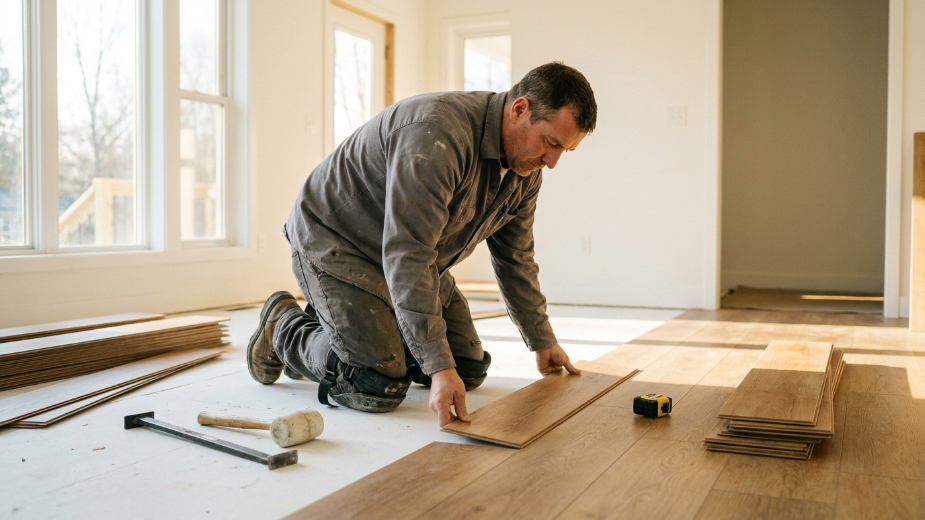
Even the best LVP product will fail prematurely if it’s not installed correctly. Poor subfloor preparation, improper acclimation, or skipped moisture barriers all shorten the floor’s life dramatically. This is why working with experienced installers — like the team at Prime Epoxy Flooring in Wilmington — makes a real difference.
4. Sunlight and UV Exposure
Prolonged direct sunlight can cause LVP to fade and warp over time. Rooms with large south-facing windows are at higher risk. UV-blocking window treatments extend how long does LVP flooring last homeowners in sun-heavy rooms.
5. Moisture Management
While LVP is water-resistant (and many products are fully waterproof), standing water left unaddressed — especially along seams — can work its way into the subfloor and cause swelling or mold growth beneath the planks.
6. Cleaning and Maintenance Habits
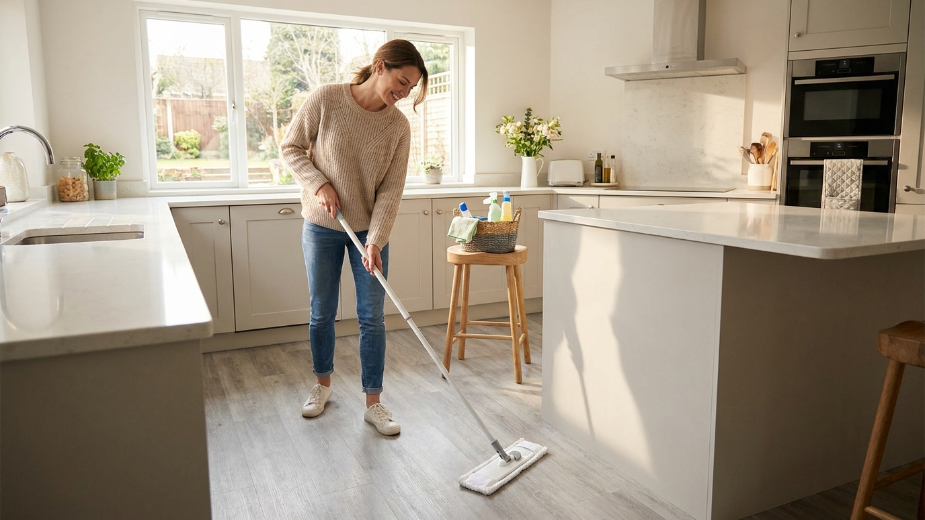
Using the wrong cleaning products (harsh chemicals, steam mops) breaks down the wear layer faster. Stick to manufacturer-approved cleaners and a microfiber mop for regular upkeep.
7. Subfloor Condition
An uneven or damaged subfloor causes planks to flex, which stresses the locking joints over time. A smooth, level, and dry subfloor is the foundation that determines how long does LVP flooring last homeowners from day one.
LVP vs. Other Flooring Types: Lifespan Comparison
One of the most common questions homeowners ask is how LVP stacks up against alternatives. Here’s an honest comparison:
| Flooring Type | Average Lifespan | Water Resistance | Refinishable |
|---|---|---|---|
| LVP | 10–25+ years | Excellent | No |
| Hardwood | 25–100 years | Poor | Yes |
| Laminate | 10–25 years | Moderate | No |
| Tile | 20–50+ years | Excellent | No |
| Carpet | 5–15 years | Poor | No |
While hardwood offers the longest potential lifespan, it requires far more maintenance, costs significantly more, and cannot tolerate moisture — which is why understanding how long does LVP flooring last homeowners who have pets, kids, or basement spaces is so relevant.
For homeowners considering hardwood as an alternative, our team also handles hardwood flooring in Norristown, PA and hardwood flooring in Broomall, PA, so you can compare options side by side with professional guidance.
How to Make Your LVP Flooring Last Longer: Practical Tips
Now that you understand how long does LVP flooring last homeowners under normal conditions, let’s talk about how to push that number toward the higher end of the range.
Use Furniture Pads and Felt Protectors
Heavy furniture left in place for years creates permanent indentations in LVP. Felt pads under chair legs, couch feet, and table bases distribute weight and prevent gouging. This one habit alone can meaningfully extend how long does LVP flooring last homeowners with traditional furniture-heavy living rooms.
Place Entry Mats at Every Door
Dirt, sand, and grit tracked in from outside act like sandpaper on your wear layer with every step. A quality mat at every exterior door significantly reduces abrasive particles on the floor surface.
Maintain Indoor Humidity Between 35–65%
LVP is more stable than hardwood, but extreme temperature and humidity swings can still cause expansion and contraction over time. A consistent indoor environment keeps the planks locked tightly and extends how long does LVP flooring last homeowners through seasonal changes.
Clean Spills Immediately
While waterproof LVP handles moisture well on the surface, leaving puddles near seams or along walls is still risky. Wipe up spills promptly and avoid wet mopping.
Avoid Steam Mops
Steam mops force moisture and heat directly into seam gaps and can delaminate the layers of your LVP. Use a damp microfiber mop and a vinyl-safe cleaner instead.
Schedule a Professional Inspection Every Few Years
An experienced flooring professional can spot early signs of subfloor issues, joint separation, or wear layer deterioration before they become costly problems. The team at Prime Epoxy Flooring offers consultations to help homeowners assess the condition of their existing floors.
Common Mistakes That Shorten LVP Lifespan
Even homeowners who invest in premium LVP sometimes unknowingly damage their floors. Here are the most frequent mistakes we see in the field.
Installing Over an Uneven Subfloor
This is the number one installation error. Planks that flex over high or low spots break down at the locking joints within a few years. Before installation, the subfloor must be flat to within 3/16 of an inch over a 10-foot span.
Skipping Acclimation
LVP needs to acclimate to the room’s temperature and humidity before installation — typically 24 to 48 hours. Skipping this step causes the product to expand or contract post-installation, leading to buckling or gaps.
Using the Wrong Adhesive or Underlayment
Not all LVP products are compatible with all underlayment types. Some rigid-core LVP products already have underlayment attached; adding a second layer can void the warranty and cause instability.
Ignoring Signs of Wear Early On
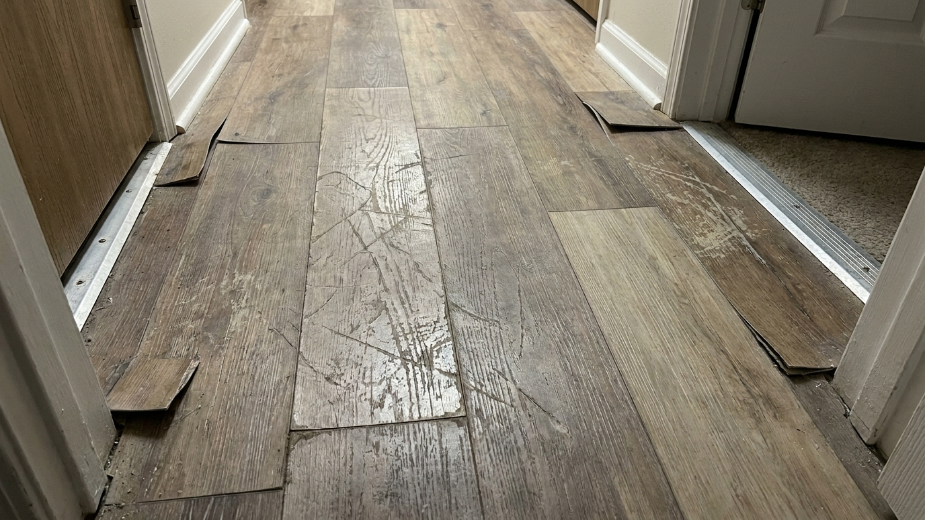
Small scratches and surface scuffs are normal. But when you start noticing edge lifting, joint separation, or discoloration, those are signs that how long does LVP flooring last homeowners in your home may be nearing its end — or that an underlying issue needs attention.
Real Homeowner Experiences: What Customers Say
Understanding how long does LVP flooring last homeowners is more convincing when you hear it from real people who’ve lived with the product. Here’s what some of our clients have shared:
“We had Prime Epoxy Flooring install LVP throughout our main level three years ago. With two dogs and three kids, I was skeptical — but it still looks brand new. I wish we’d done it sooner.” — Sarah M., Wilmington, DE (Google Review)
“The team was professional, on time, and the floors are absolutely gorgeous. They explained exactly what wear layer we needed for our lifestyle and the investment has been worth every penny.” — James T., Media, PA (Google Review)
“I compared several companies before choosing Prime Epoxy Flooring. Their knowledge about longevity and installation standards was miles ahead of the competition. Highly recommend.” — Patricia W., King of Prussia, PA (Google Review)
These experiences reflect what we hear consistently: when LVP is installed correctly and matched to the household’s needs, it performs exactly as expected — and often better.
Thinking about LVP for your home in Delaware or Pennsylvania? Explore our LVP flooring services in Norristown, PA or LVP flooring in Glen Mills, PA and get expert guidance from a team that knows your area.
When Should Homeowners Replace LVP Flooring?
Even with perfect maintenance, every floor eventually reaches the end of its useful life. Here are the clearest signs that how long does LVP flooring last homeowners in your case has run its course:
- Visible wear-through on the surface layer in high-traffic zones
- Persistent lifting or buckling that cannot be re-secured
- Deep gouges or cracks that expose the core
- Widespread discoloration or fading that cleaning cannot reverse
- Soft or spongy spots indicating subfloor moisture damage beneath the planks
- Outdated style that no longer matches your home’s aesthetic
If you’re seeing two or more of these signs, it’s likely time to replace rather than repair. The good news is that LVP removal and reinstallation is far less disruptive and expensive than tearing out tile or hardwood. You can also browse our gallery to explore transformation examples from real projects we’ve completed.
LVP Flooring in High-Moisture Areas: Basements, Kitchens, and Bathrooms
One of the most frequently asked questions about how long does LVP flooring last homeowners involves rooms with higher moisture exposure — and this is where LVP genuinely outperforms most alternatives.
In basements, LVP is often the preferred choice because it tolerates concrete subfloor imperfections and resists humidity far better than hardwood or laminate. In kitchens and bathrooms, fully waterproof LVP cores provide peace of mind that laminate simply cannot match.
That said, even in moisture-prone rooms, proper subfloor moisture testing before installation is non-negotiable. Our team at Prime Epoxy Flooring always conducts a full subfloor assessment before any LVP installation to ensure how long does LVP flooring last homeowners in wet areas isn’t cut short by preventable moisture problems. You can reach our team at +1 (302) 600-2835 or visit us at 300 Cassidy Dr Ste 305, Wilmington, DE 19804 during business hours (Monday–Friday 8AM–5PM, Saturday 8AM–12PM).
Local Case Study: LVP Installation in a Wilmington, DE Family Home
One of our recent projects in Wilmington involved a 1,800 sq ft home with three children and a large dog. The homeowners had tried laminate flooring twice in the past decade and were frustrated by warping in the kitchen and scratching in the hallway.
We recommended a 20-mil wear layer rigid-core LVP with a stone polymer core for additional dimensional stability. The installation included full subfloor leveling and a moisture barrier on the concrete sections.
Two years later, the floor looks exactly as it did on installation day. The family reports zero issues with scratching, no signs of warping near the kitchen sink, and — most importantly — peace of mind that how long does LVP flooring last homeowners with their lifestyle will easily exceed 20 years with basic maintenance.
For similar projects in the area, explore our LVP flooring page for Broomall, PA or our hardwood and engineered wood flooring page for comparison.
Frequently Asked Questions
How long does LVP flooring last homeowners who have pets?
With pets, how long does LVP flooring last homeowners largely depends on the wear layer thickness. A 20-mil or higher wear layer handles pet claws without significant scratching. Most pet-friendly LVP products last 15 to 25 years in homes with dogs or cats when properly maintained.
Is LVP flooring worth it for long-term investment?
Yes. When you consider how long does LVP flooring last homeowners relative to its installation cost, it consistently delivers strong value. It outperforms carpet and laminate in lifespan and requires far less maintenance than hardwood, making it a practical long-term investment for most households.
Can LVP flooring be repaired instead of replaced?
Individual planks in a floating LVP installation can often be replaced without disturbing the rest of the floor. This is one of the reasons how long does LVP flooring last homeowners as a whole system is often extended — localized damage doesn’t require full replacement.
Does LVP flooring increase home resale value?
LVP is increasingly viewed positively by homebuyers, particularly waterproof rigid-core products. While it doesn’t add as much resale value as solid hardwood, it’s a neutral-to-positive feature for most buyers and avoids the “red flag” of worn carpet.
How does LVP hold up in direct sunlight?
Prolonged UV exposure is one of the factors that can reduce how long does LVP flooring last homeowners in rooms with large windows. Using UV-filtering window film or blinds during peak sunlight hours protects the floor from fading and surface degradation over time.
Conclusion
So, how long does LVP flooring last homeowners who choose wisely, install correctly, and maintain consistently? The honest answer: anywhere from 10 to 25-plus years, depending on wear layer, foot traffic, and care habits. That’s a remarkable lifespan for a floor that costs a fraction of hardwood and handles moisture like tile.
The key takeaways are clear. Choose the right wear layer for your lifestyle. Invest in professional installation on a properly prepared subfloor. Protect the surface with mats, pads, and appropriate cleaning habits. And address problems early before they compound.
At Prime Epoxy Flooring, we’ve helped hundreds of homeowners across Delaware and Pennsylvania make flooring decisions they’re still happy with years later. Whether you’re exploring LVP, tile, hardwood, or specialty coatings, our team brings honest expertise to every project.
Follow us on Instagram or Facebook for project inspiration, and check out our FAQ page for more answers to common flooring questions.
Ready to install floors that last? Contact Prime Epoxy Flooring today for a free estimate. We serve homeowners in Wilmington, DE and throughout the surrounding region. Call us at +1 (302) 600-2835 or email info@primeepoxyflooring.com. Visit us at 300 Cassidy Dr Ste 305, Wilmington, DE 19804. Business hours: Monday–Friday 8AM–5PM, Saturday 8AM–12PM. Find us on Google Maps.