

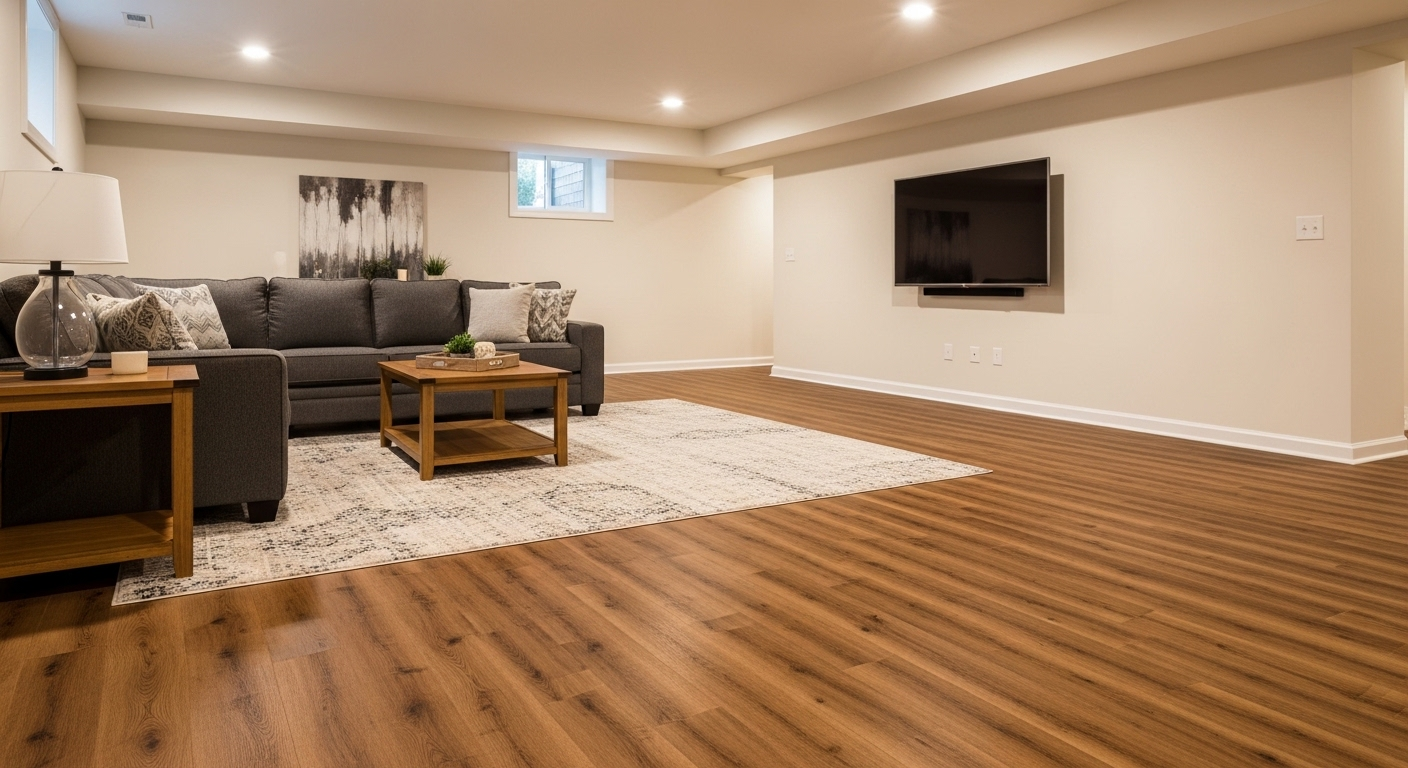
Is laminate flooring still a smart choice in 2026 — or have better alternatives made it obsolete? With more than 1.8 billion square feet of laminate flooring installed annually in the United States, it remains one of the most popular flooring choices for homeowners on a budget. But popularity does not always mean it is the right choice for your specific home, lifestyle, and long-term goals. Understanding the full picture of laminate flooring pros and cons is essential before you commit to this product.
In this complete guide, you will discover every significant aspect of the laminate flooring pros and cons debate — from its impressive affordability and easy installation to its real limitations around moisture, refinishing, and resale value. You will also learn how laminate compares to hardwood, luxury vinyl plank, and tile, and which situations make laminate the smart choice versus when a different product will serve you better.
The laminate flooring pros and cons analysis in this guide is built on real installation experience across Delaware and Pennsylvania — not manufacturer marketing materials.
Continue reading to discover whether the laminate flooring pros and cons add up to the right decision for your home in 2026.
Not sure which flooring is right for your home? Get expert advice from Prime Epoxy Flooring — free consultation, no obligation.
What Is Laminate Flooring? The Foundation for Understanding Its Pros and Cons
Before examining the laminate flooring pros and cons in detail, it is important to understand exactly what laminate flooring is — because many homeowners confuse it with luxury vinyl plank or engineered hardwood, which are fundamentally different products with different performance profiles.
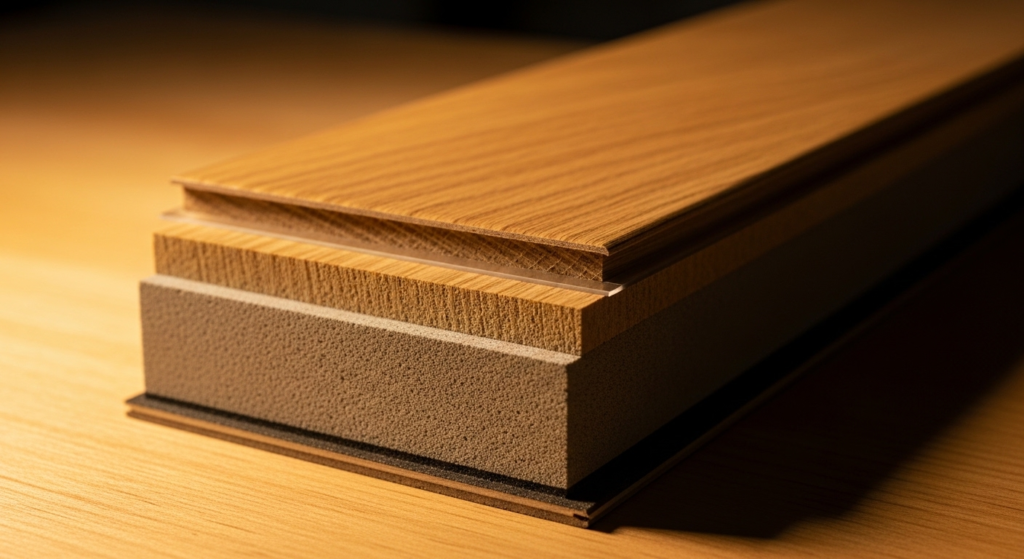
Laminate flooring is a multi-layer synthetic flooring product composed of four distinct layers:
The wear layer: A clear aluminum oxide coating that protects the surface from scratches, stains, and fading. The thickness of this layer — measured by the AC rating system from AC1 to AC5 — determines the floor’s durability and is one of the most important factors in the laminate flooring pros and cons evaluation.
The decorative layer: A high-resolution photographic image printed on paper that simulates the appearance of wood, stone, or tile. This layer is what gives laminate its visual appeal — but it is a photograph, not real wood or stone.
The core layer: High-density fiberboard (HDF) that provides structural stability and determines the floor’s thickness, rigidity, and moisture resistance. Higher-quality laminate uses denser HDF cores that perform better in the laminate flooring pros and cons moisture category.
The backing layer: A moisture-resistant bottom layer that provides stability and prevents moisture from penetrating from below.
Understanding this four-layer construction is the foundation for evaluating every laminate flooring pro and con in this guide — because every strength and every limitation flows directly from how the product is engineered.
At Prime Epoxy Flooring, we install laminate flooring across Delaware and Pennsylvania and help homeowners understand exactly where this product excels and where alternatives like hardwood or luxury vinyl plank are the better choice.
The Complete Laminate Flooring Pros and Cons: A Side-by-Side Overview
When homeowners search for the laminate flooring pros and cons, they want a clear, honest summary before diving into the details. Here is that summary:
| Factor | Laminate Rating | Notes |
|---|---|---|
| Cost | Excellent | $3–$7/sq ft installed — lowest among wood-look options |
| Installation Ease | Excellent | Floating click-lock system — DIY friendly |
| Appearance | Good | Realistic wood and stone looks, but not real material |
| Scratch Resistance | Good | AC3–AC5 ratings offer strong surface protection |
| Moisture Resistance | Fair | Not waterproof — susceptible to water damage at seams |
| Refinishability | Poor | Cannot be sanded or refinished — replace when worn |
| Lifespan | Fair | 15–25 years under normal residential use |
| Resale Value | Fair | Less impact than hardwood or engineered wood |
| Comfort Underfoot | Good | Softer than tile, harder than carpet |
| Maintenance | Excellent | Easy to clean, low ongoing maintenance requirements |
| Environmental Impact | Fair | Synthetic product — check for low-VOC certifications |
This overview gives you an immediate framework for the laminate flooring pros and cons evaluation. The sections below provide the detailed analysis you need to make a confident decision for your specific home and budget.
The Pros of Laminate Flooring: 7 Genuine Advantages Worth Knowing
Pro 1: The Most Affordable Wood-Look Flooring Option Available
The most compelling entry in the laminate flooring pros and cons list is its cost. When evaluating the laminate flooring pros and cons from a purely financial perspective, the cost advantage is the single most compelling argument for choosing this product — particularly for secondary bedrooms, rental units, and basement living areas in Wilmington, DE and Newark, DE.
Laminate flooring cost breakdown:
| Cost Category | Budget Laminate | Mid-Range Laminate | Premium Laminate |
|---|---|---|---|
| Materials Only | $1–$2/sq ft | $2–$4/sq ft | $4–$6/sq ft |
| Labor (Installation) | $1–$2/sq ft | $1.50–$2.50/sq ft | $2–$3/sq ft |
| Total Installed Cost | $2–$4/sq ft | $3.50–$6.50/sq ft | $6–$9/sq ft |
For a 1,000-square-foot project, laminate can be installed for $2,000–$7,000 — compared to $6,000–$12,000 for solid hardwood. This cost advantage is one of the most significant laminate flooring pros for budget-conscious homeowners, rental property owners, and those renovating homes for resale.
Pro 2: Remarkably Easy Installation
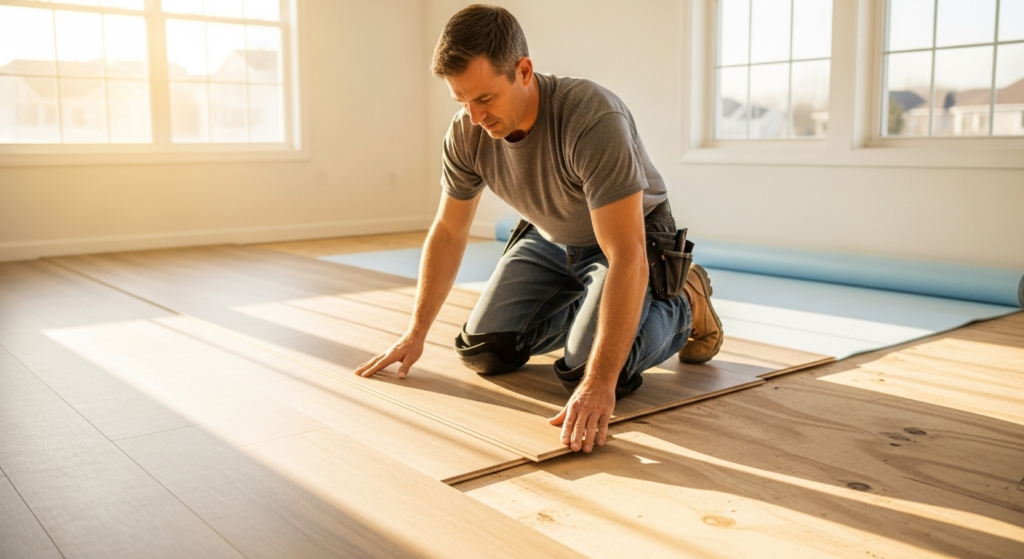
One of the most practical laminate flooring pros and cons advantages is the floating click-lock installation system. Unlike solid hardwood — which must be nailed or stapled to a wood subfloor — laminate planks click together and float on top of the subfloor without adhesive or fasteners.
Installation advantages of laminate flooring:
- Can be installed over most existing subfloors including concrete, plywood, and even existing vinyl or tile
- Does not require acclimation periods as long as hardwood
- Can be installed directly over radiant heat systems in most cases
- Floating installation allows for easy removal and replacement of individual sections
- Most homeowners with basic DIY skills can complete a laminate installation successfully
This installation flexibility makes laminate one of the most accessible flooring options for homeowners who want to reduce labor costs or complete the project themselves. A professional team can complete a 1,000-square-foot laminate installation in a single day.
Prime Epoxy Flooring’s installation teams serve Middletown, DE, Bear, DE, Smyrna, DE, and surrounding communities with professional laminate installation that maximizes the product’s performance and longevity.
Pro 3: Impressive Scratch and Wear Resistance
The wear layer of quality laminate flooring — rated by the AC system — provides excellent resistance to scratches, scuffs, and surface wear. This is one of the most underappreciated entries in the laminate flooring pros and cons list, particularly for households with children and pets.
AC Rating Guide for Laminate Flooring:
| AC Rating | Durability Level | Recommended Use |
|---|---|---|
| AC1 | Light | Low-traffic residential bedrooms only |
| AC2 | Moderate | General residential use |
| AC3 | General | All residential areas including high traffic |
| AC4 | Heavy | Light commercial and high-traffic residential |
| AC5 | Very Heavy | Heavy commercial and maximum residential durability |
For residential use, AC3 is the minimum recommended rating. AC4 and AC5 products offer scratch resistance that rivals or exceeds many hardwood species, making them an excellent choice for homes with large dogs, active children, or high foot traffic.
Pro 4: Wide Range of Realistic Designs and Styles
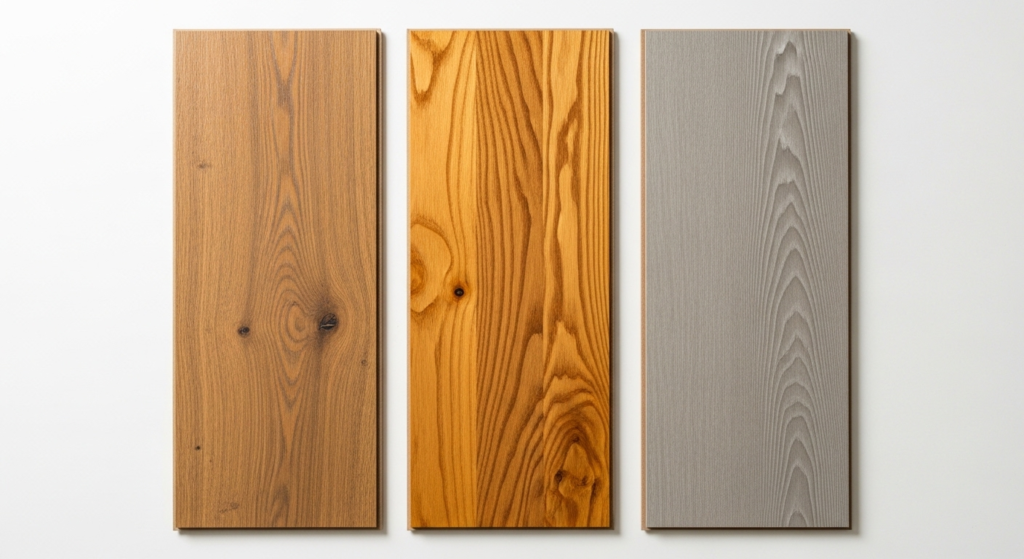
Modern laminate flooring technology has advanced dramatically, and today’s premium products offer highly realistic simulations of hardwood, stone, and tile. Available designs include wide-plank oak, walnut, hickory, and maple wood looks, stone and slate tile simulations, herringbone and chevron patterns, hand-scraped and wire-brushed textures, and matte, satin, and high-gloss finishes.
While premium laminate cannot fully replicate the natural variation and depth of real hardwood, the best products available in 2026 are significantly more realistic than laminate from even five years ago. This design versatility is one of the most visually compelling entries in the laminate flooring pros and cons comparison for homeowners who want a specific aesthetic at a lower cost.
Pro 5: Low Maintenance Requirements
Among the most practical laminate flooring pros for busy households is its low maintenance requirement. Laminate does not require the periodic professional refinishing that hardwood demands, and its sealed surface resists staining and is easy to clean.
Laminate floor maintenance routine:
- Daily: Sweep or vacuum with a soft-bristle attachment
- Weekly: Damp mop with a laminate-specific cleaner — the mop should be barely damp
- As needed: Wipe up spills promptly to prevent moisture penetration at seams
- Annually: Inspect for edge swelling or seam separation — early signs of moisture damage
This low-maintenance profile makes laminate an attractive option for rental properties, vacation homes, and homeowners who want beautiful floors without the ongoing investment of professional maintenance. For more on professional floor maintenance, explore our sanding and refinishing services for hardwood alternatives.
Pro 6: Comfortable and Warm Underfoot
Compared to tile and stone, laminate flooring is significantly warmer and more comfortable underfoot. The HDF core provides a degree of cushioning that tile cannot match, and laminate can be installed over foam underlayment that further improves comfort and sound dampening.
This laminate flooring pro is particularly relevant for homeowners in King of Prussia, PA and Norristown, PA who are considering flooring for basement living areas, playrooms, or home offices where comfort is a priority.
Pro 7: Hypoallergenic and Easy to Keep Clean
Unlike carpet, laminate flooring does not trap dust, pet dander, pollen, or other allergens in its fibers. This makes it one of the best flooring choices for households with allergy sufferers — a genuine laminate flooring pro that is often overlooked in standard comparisons. The sealed surface of laminate is also resistant to bacteria and mold growth on the surface, making it a hygienic choice for kitchens, playrooms, and high-use living areas.
The Cons of Laminate Flooring: 6 Significant Limitations to Consider
Con 1: Cannot Be Refinished — The Most Critical Laminate Flooring Con
The most significant of all laminate flooring pros and cons factors is that laminate cannot be sanded or refinished. When the wear layer is scratched through or the decorative layer is damaged, the only option is replacement. Unlike solid hardwood — which can be refinished 5–10 times over its lifetime — laminate has a finite lifespan of 15–25 years with no restoration option.
This limitation has direct financial implications. A solid hardwood floor installed today may never need to be replaced in your lifetime, with periodic refinishing at $3–$5 per square foot extending its life indefinitely. Laminate will require full replacement every 15–25 years, making its long-term cost of ownership potentially higher than hardwood despite its lower upfront price.
For homeowners planning to stay in their home for 20+ years, this entry in the laminate flooring pros and cons list is one of the most important factors in the total cost of ownership calculation. If refinishability matters to you, explore our hardwood and engineered wood flooring services as a long-term alternative.
Con 2: Moisture Vulnerability — A Serious Limitation in the Laminate Flooring Pros and Cons Evaluation
Moisture vulnerability is one of the most practically significant laminate flooring pros and cons factors for homeowners in Delaware and Pennsylvania to evaluate — and for many, it is the single issue that makes laminate the wrong choice for their specific space.
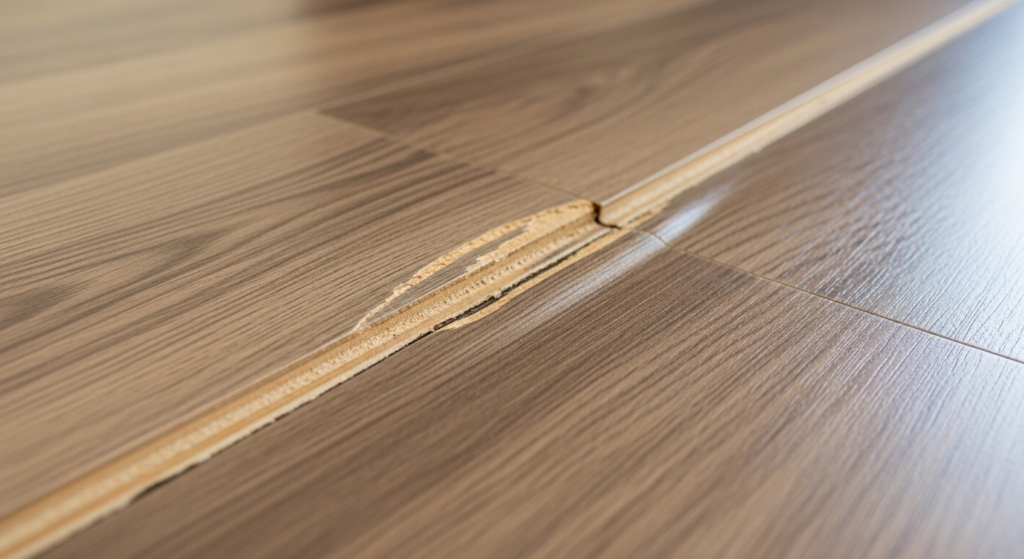
Laminate flooring is not waterproof. While the surface layer resists light moisture, water that penetrates the seams between planks — from spills, flooding, or high ambient humidity — is absorbed by the HDF core. This causes swelling and warping of the core layer, edge lifting and seam separation, mold growth within the core, and permanent damage that cannot be repaired — only replaced.
This laminate flooring con makes it unsuitable for bathrooms, laundry rooms, and basements with moisture issues. For moisture-prone areas, luxury vinyl plank — which is 100% waterproof — is a significantly better choice. Prime Epoxy Flooring installs luxury vinyl plank across Greenville, DE, Media, PA, King of Prussia, PA, Norristown, PA, Broomall, PA, and Glen Mills, PA.
Con 3: Lower Resale Value Compared to Hardwood
One of the most financially significant laminate flooring cons for homeowners who plan to sell their home is its limited impact on resale value compared to hardwood or engineered wood. Real estate professionals consistently report that buyers perceive hardwood floors as a premium feature that justifies a higher sale price.
In competitive markets like Wilmington, DE, and the greater Philadelphia suburban area, the difference in buyer perception between hardwood and laminate can translate to a measurable difference in sale price. This laminate flooring con does not mean laminate is a bad investment — it means it is the right investment in specific contexts and the wrong investment in others.
Con 4: Hollow Sound and Feel Underfoot
One of the most commonly cited laminate flooring cons among homeowners who have lived with the product is its hollow, slightly artificial sound and feel underfoot. Because laminate floats on the subfloor rather than being bonded to it, foot traffic creates a distinctive hollow sound that many homeowners find less satisfying than the solid feel of hardwood or tile.
This laminate flooring con can be partially mitigated by installing a high-quality foam or cork underlayment, choosing thicker laminate planks (12mm or thicker), and ensuring the subfloor is perfectly flat before installation. However, even with these mitigation strategies, laminate will never feel as solid underfoot as nail-down hardwood or glue-down engineered wood.
Con 5: Not a Real Wood or Stone Product
While this may seem obvious, it is one of the most important laminate flooring cons for homeowners who value authenticity. Laminate’s decorative layer is a photograph — not real wood grain, not real stone texture. Under close inspection, particularly in raking light, the repetition of the photographic pattern becomes visible, and the surface lacks the natural depth and variation of genuine materials.
For homeowners who want genuine wood beauty, hardwood and engineered wood flooring delivers an authentic result that laminate cannot replicate. This is one of the laminate flooring pros and cons factors that matters most in high-end homes and premium real estate markets.
Con 6: Environmental and Indoor Air Quality Concerns
Some laminate flooring products contain formaldehyde-based adhesives in the HDF core that can off-gas volatile organic compounds (VOCs) into the indoor environment. This is one of the laminate flooring cons that has received significant attention in recent years.
How to address this concern:
- Choose products certified to CARB Phase 2 or CARB2 standards for formaldehyde emissions
- Look for GREENGUARD Gold certification, which indicates low VOC emissions
- Choose products from reputable manufacturers with transparent emissions testing
- Allow new laminate floors to off-gas in a well-ventilated space before occupying the room
Reputable laminate products from established manufacturers meet strict emissions standards and pose no significant indoor air quality concern. The key is choosing certified products from trusted sources.
Laminate Flooring Pros and Cons vs. Other Flooring Options: Complete Comparison
Understanding how the laminate flooring pros and cons compare to alternatives is the most practical way to make the right decision for your specific home and budget.
| Factor | Laminate | Hardwood | Engineered Wood | Luxury Vinyl Plank | Tile |
|---|---|---|---|---|---|
| Installed Cost | $3–$7/sq ft | $6–$12/sq ft | $5–$10/sq ft | $4–$8/sq ft | $5–$15/sq ft |
| Real Wood/Stone | No | Yes | Yes | No | Yes (stone) |
| Waterproof | No | No | No | Yes | Yes |
| Refinishable | No | Yes (5–10x) | Yes (1–3x) | No | No |
| Lifespan | 15–25 years | 50–100 years | 25–50 years | 20–30 years | 50+ years |
| DIY Friendly | Yes | Moderate | Yes | Yes | No |
| Resale Value | Fair | Very High | High | Moderate | High |
| Comfort Underfoot | Good | Good | Good | Very Good | Poor |
| Maintenance | Low | Moderate | Moderate | Low | Low |
| Best For | Budget renovations | Premium homes | Most homes | Wet areas | Kitchens/baths |
This comparison makes the laminate flooring pros and cons clear in context. Laminate wins on cost and ease of installation but loses on authenticity, moisture resistance, refinishability, and long-term value compared to hardwood and engineered wood.
If tile is the right choice for your kitchen or bathroom, Prime Epoxy Flooring installs tile across Greenville, DE, Media, PA, Glen Mills, PA, Norristown, PA, King of Prussia, PA, and Broomall, PA.
When Do the Laminate Flooring Pros and Cons Tip in Favor of Laminate?
Understanding when the laminate flooring pros and cons balance tips in favor of this product — rather than hardwood, engineered wood, or luxury vinyl plank — is the most practical question this guide can answer for your specific project and budget.
Laminate flooring is the right choice when:
- Budget is the primary constraint and the project requires a wood-look floor at the lowest possible cost
- The space is a rental property where durability and low maintenance matter more than long-term value
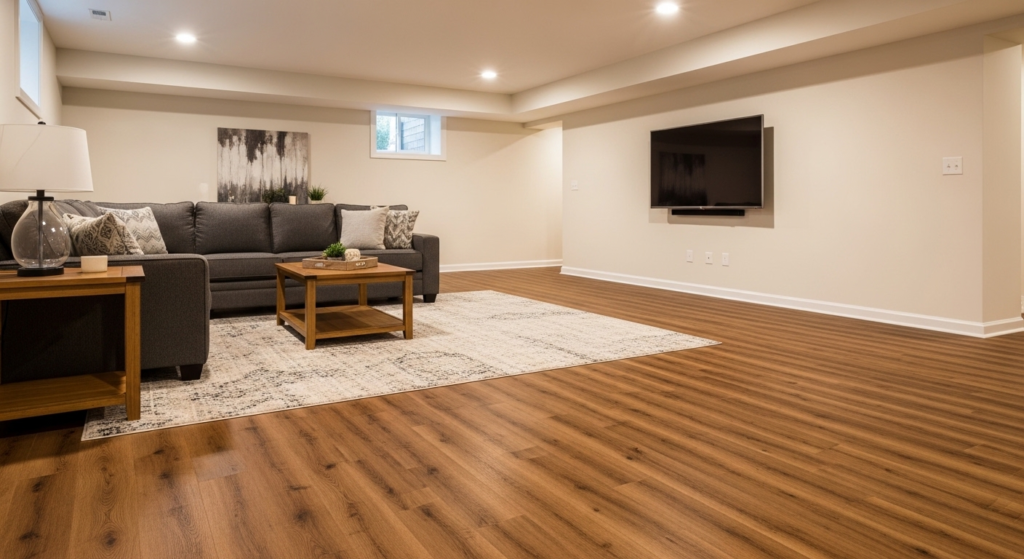
- The installation area is a secondary bedroom, home office, or basement living area with low moisture risk
- The homeowner plans to sell within 5–10 years and needs a cost-effective cosmetic upgrade
- The project requires a quick installation with minimal disruption
- The homeowner wants a DIY-friendly project that does not require professional installation
Laminate flooring is not the right choice when:
- The installation area has moisture exposure — kitchens, bathrooms, basements with moisture issues
- The homeowner plans to stay in the home long-term and wants a floor that can be refinished
- The home is in a premium market where hardwood floors are expected by buyers
- The homeowner values authentic materials and the natural character of real wood
- The project is a primary living area in a home being prepared for sale at maximum value
For staircase applications, the laminate flooring pros and cons calculation also shifts — stairs require specific nosing profiles and installation techniques. Explore our dedicated stairs flooring service for guidance on the best stair flooring options.
Not Sure Whether Laminate Flooring Pros and Cons Add Up for Your Home?
The team at Prime Epoxy Flooring has helped hundreds of homeowners across Delaware and Pennsylvania work through the laminate flooring pros and cons for their specific needs and budget. Whether laminate, hardwood, engineered wood, or luxury vinyl plank is the right answer for your home, we will give you an honest recommendation — not a sales pitch. Schedule your free consultation today.
Real Customer Stories: Laminate Flooring Pros and Cons in Practice Across Delaware and Pennsylvania
Hearing from homeowners who have lived with laminate flooring provides valuable real-world perspective on the laminate flooring pros and cons that matter most in daily life.
“We chose laminate for our rental property in Wilmington and it was absolutely the right decision. The cost savings were significant, the installation was fast, and the floors have held up well with tenant use. For a rental, the laminate flooring pros far outweigh the cons.” — Robert M., Wilmington, DE
“We installed laminate in our basement family room three years ago. It looks great and has been easy to maintain. The one thing I wish I had known is that the hollow sound underfoot takes some getting used to. Overall, for the price, we are very happy with the laminate flooring pros and cons tradeoff.” — Susan K., Broomall, PA
“We initially considered laminate for our main living areas but Prime Epoxy Flooring helped us understand that engineered hardwood was a better long-term investment for our home. We used laminate in the basement and engineered oak upstairs — the right product in the right place.” — Michael T., Media, PA
You can verify these reviews and find our location on Google Maps. Follow our latest projects on Instagram and Facebook.
Common Mistakes Homeowners Make When Evaluating Laminate Flooring Pros and Cons
Avoiding these mistakes ensures you fully benefit from the laminate flooring pros and cons knowledge in this guide and make the right flooring decision for your home — without the costly regret that comes from choosing the wrong product for the wrong application:
Choosing laminate for moisture-prone areas. This is the most common and costly mistake in the laminate flooring pros and cons decision process. Installing laminate in bathrooms, laundry rooms, or basements with moisture issues leads to swelling, warping, and premature replacement. Always choose luxury vinyl plank or tile for moisture-prone areas.
Buying the cheapest laminate available. Budget laminate with AC1 or AC2 ratings wears through quickly in high-traffic areas and looks noticeably artificial. Invest in AC3 or higher with a realistic embossed texture for results that justify the installation cost.
Skipping underlayment. Installing laminate without a quality foam or cork underlayment results in a hollow, noisy floor that feels cheap underfoot. Underlayment is not optional — it is essential for comfort, sound dampening, and moisture protection from below.
Not acclimating the material. Laminate should acclimate to the room’s temperature and humidity for 48 hours before installation. Skipping this step causes expansion after installation, leading to buckling and seam separation.
Ignoring the subfloor condition. Laminate requires a flat, clean, dry subfloor. High spots and low spots cause the floating floor to flex and create noise. Always prepare the subfloor properly before installation.
Choosing laminate when hardwood is the better long-term investment. For primary living areas in homes that will be held for 10+ years or sold in premium markets, the laminate flooring pros and cons around resale value and refinishability make hardwood or engineered wood the smarter financial decision. Prime Epoxy Flooring’s team can help you evaluate the full laminate flooring pros and cons for your specific situation and give you an honest recommendation.
How to Get the Most From Laminate Flooring: Maximizing the Pros and Minimizing the Cons
If you have decided that laminate is the right choice for your project after weighing the laminate flooring pros and cons, these practices will help you maximize its performance and lifespan:
Choose the right AC rating for your traffic level. AC3 for general residential use, AC4 for high-traffic areas or homes with pets and children.
Select a thickness of at least 8mm. Thicker laminate (10–12mm) feels more solid underfoot and is more resistant to denting and edge chipping.
Install a quality underlayment. A 3mm foam or cork underlayment improves comfort, reduces sound transmission, and provides a moisture barrier from below.
Maintain proper indoor humidity. Keep indoor humidity between 35–65% to prevent the HDF core from swelling or contracting. This is particularly important during Delaware and Pennsylvania’s humid summers and dry winters.
Wipe up spills immediately. Never allow water to sit on laminate seams. Prompt spill response is the single most important maintenance practice for extending laminate’s lifespan.
Use furniture pads and area rugs. Protect the wear layer from scratches with felt pads under furniture legs and area rugs in high-traffic zones.
Schedule professional installation for best results. While laminate is DIY-friendly, professional installation ensures proper subfloor preparation, correct expansion gap management, and seamless transitions between rooms. Prime Epoxy Flooring’s installation teams serve Townsend, DE, Edgemoor, DE, Rehoboth Beach, DE, Glen Mills, PA, and Greenville, DE.
Laminate Flooring Pros and Cons
Is laminate flooring good for high-traffic areas? Yes, with the right AC rating. Laminate flooring with an AC3, AC4, or AC5 rating offers excellent scratch and wear resistance for high-traffic residential areas. The wear layer in these products is harder than many wood species, making them a practical choice for hallways, living rooms, and homes with pets and children.
How long does laminate flooring last? Laminate flooring typically lasts 15–25 years under normal residential use. The lifespan depends on the AC rating, installation quality, maintenance practices, and moisture exposure. Unlike hardwood, laminate cannot be refinished when worn — it must be replaced at the end of its lifespan.
Is laminate flooring waterproof? Standard laminate flooring is not waterproof. While the surface layer resists light moisture, water that penetrates the seams is absorbed by the HDF core, causing swelling and permanent damage. For truly waterproof performance, luxury vinyl plank is the recommended alternative.
Does laminate flooring add value to a home? Laminate flooring adds modest value compared to carpet but significantly less than hardwood or engineered wood. In premium real estate markets, buyers and appraisers recognize laminate as a lower-cost alternative to real wood, which can affect buyer perception and sale price.
What is the difference between laminate and luxury vinyl plank? Laminate has an HDF wood-based core with a photographic decorative layer, while luxury vinyl plank has a 100% synthetic PVC core. The key practical difference is that luxury vinyl plank is completely waterproof, making it suitable for bathrooms, kitchens, and basements where laminate would be damaged by moisture.
FAQ
Q: What are the main pros and cons of laminate flooring? A: The main laminate flooring pros are low cost ($3–$7/sq ft installed), easy DIY-friendly installation, good scratch resistance with AC3+ ratings, realistic wood and stone designs, and low maintenance requirements. The main laminate flooring cons are that it cannot be refinished, is vulnerable to moisture damage, has lower resale value than hardwood, and produces a hollow sound underfoot.
Q: Is laminate flooring worth it in 2026? A: Laminate flooring is worth it in 2026 for specific applications: rental properties, budget renovations, secondary rooms, and basement living areas with low moisture risk. For primary living areas in homes being held long-term or sold in premium markets, hardwood or engineered wood delivers better long-term value despite the higher upfront cost.
Q: Can laminate flooring be installed in a basement? A: Laminate can be installed in a basement only if moisture is well-controlled. Basements with any history of moisture intrusion, high humidity, or concrete slab moisture vapor are not suitable for laminate. In these situations, luxury vinyl plank — which is 100% waterproof — is the recommended alternative for avoiding the worst laminate flooring cons.
Q: How does laminate flooring compare to luxury vinyl plank? A: Laminate and luxury vinyl plank are similar in cost and installation method, but LVP is 100% waterproof while laminate is not. LVP also tends to feel softer and quieter underfoot. Laminate typically offers more realistic wood grain texture at comparable price points, but LVP’s waterproof performance makes it the better choice for kitchens, bathrooms, and basements.
Q: What AC rating should I choose for laminate flooring? A: For general residential use, choose AC3 as the minimum. For high-traffic areas, homes with pets and children, or any area where maximum durability is needed, choose AC4 or AC5. Avoid AC1 and AC2 products for any area that receives regular foot traffic — they wear through quickly and represent the worst outcome in the laminate flooring pros and cons durability category.
Conclusion: Do the Laminate Flooring Pros and Cons Add Up for Your Home in 2026?
After examining every significant laminate flooring pro and con in this guide, the answer to whether laminate is worth it in 2026 is clear: it depends entirely on your specific situation, application, and long-term goals.
The laminate flooring pros — low cost, easy installation, good scratch resistance, realistic designs, and low maintenance — make it an excellent choice for rental properties, budget renovations, secondary rooms, and basement living areas with controlled moisture levels.
The laminate flooring cons — inability to refinish, moisture vulnerability, lower resale value, hollow sound underfoot, and synthetic appearance — make it the wrong choice for primary living areas in premium homes, moisture-prone spaces, and situations where long-term value and authentic materials matter.
The central takeaway from this complete laminate flooring pros and cons evaluation is that this product is not universally good or bad — it is the right product in the right context, and the wrong product in the wrong one. Choosing it for the right application delivers excellent value. Choosing it for the wrong application leads to premature replacement and regret.
At Prime Epoxy Flooring, we help homeowners across Delaware and Pennsylvania make the right flooring choice for their specific needs, budget, and long-term goals. Whether laminate, hardwood, engineered wood, luxury vinyl plank, or tile is the right answer for your home, our team will give you honest, expert guidance backed by years of installation experience. View our completed projects in our gallery, read our FAQ, or learn more about us before reaching out.
Ready to choose the right flooring for your home in Delaware or Pennsylvania? Contact Prime Epoxy Flooring today for your free, no-obligation consultation. Call us at +1 (302) 600-2835, email info@primeepoxyflooring.com, or fill out our contact form here. We are available Monday–Friday 8AM–5PM and Saturday 8AM–12PM.
Company Information
Prime Epoxy Flooring 300 Cassidy Dr Ste 305, Wilmington, DE 19804, United States Phone: +1 (302) 600-2835 Email: info@primeepoxyflooring.