

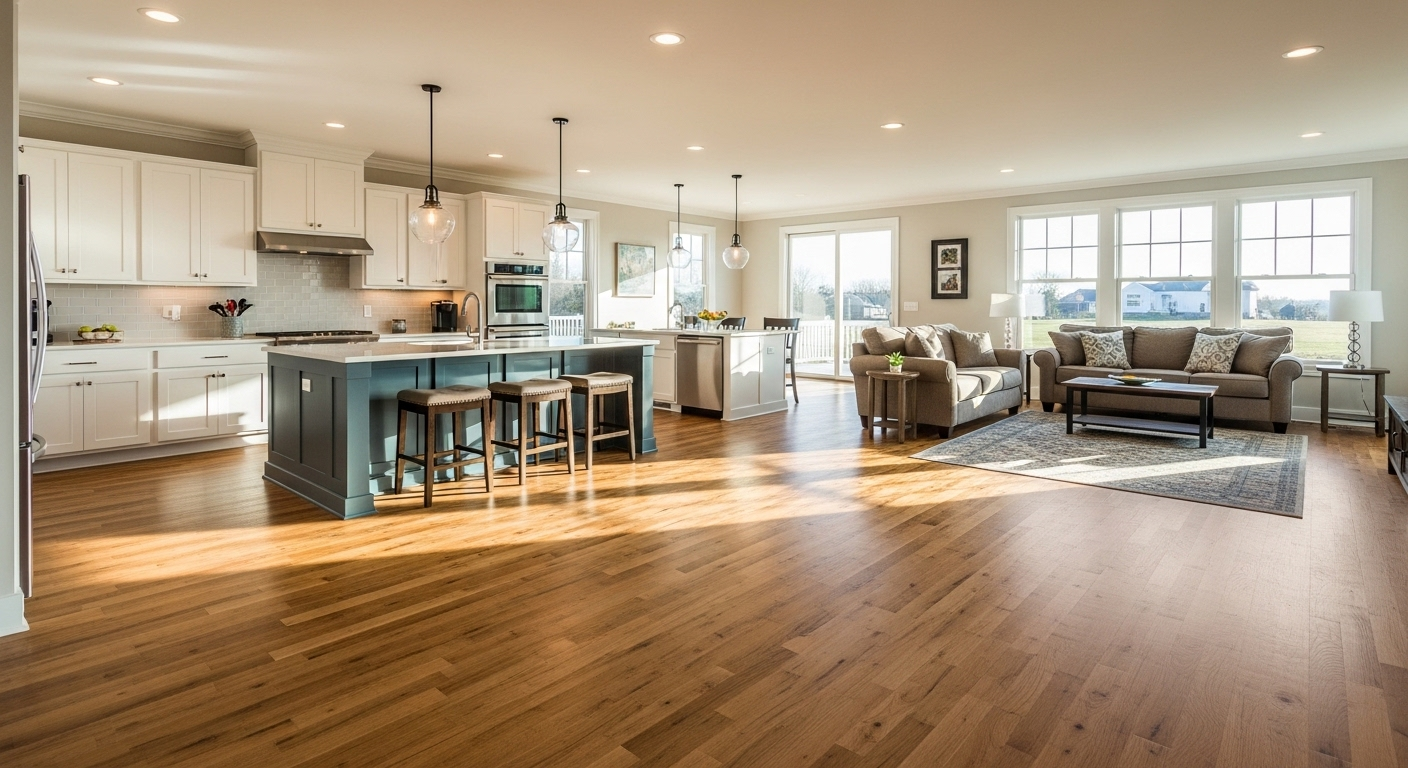
Did you know that engineered wood flooring now accounts for more than 50% of all wood flooring sales in the United States? There is a reason so many homeowners are choosing it over solid hardwood — and it goes far beyond price. The engineered wood flooring benefits are real, measurable, and directly relevant to the challenges that homeowners in Delaware and Pennsylvania face every day.
In this complete guide, you will discover the 9 most powerful engineered wood flooring benefits, understand exactly why this product outperforms alternatives in specific situations, and learn how to make the right choice for your home. Whether you are renovating a basement in Wilmington, updating a kitchen in King of Prussia, or refreshing a living room in Rehoboth Beach, this guide gives you the knowledge to invest with confidence.
Continue reading to discover why engineered wood flooring might be the smartest flooring decision you make this year.
Ready to experience the engineered wood flooring benefits for yourself? Request your free consultation from Prime Epoxy Flooring today.
What Is Engineered Wood Flooring and Why Does It Matter?
Before exploring the full list of engineered wood flooring benefits, it is important to understand exactly what this product is — because many homeowners confuse it with laminate or luxury vinyl, which are entirely different materials.
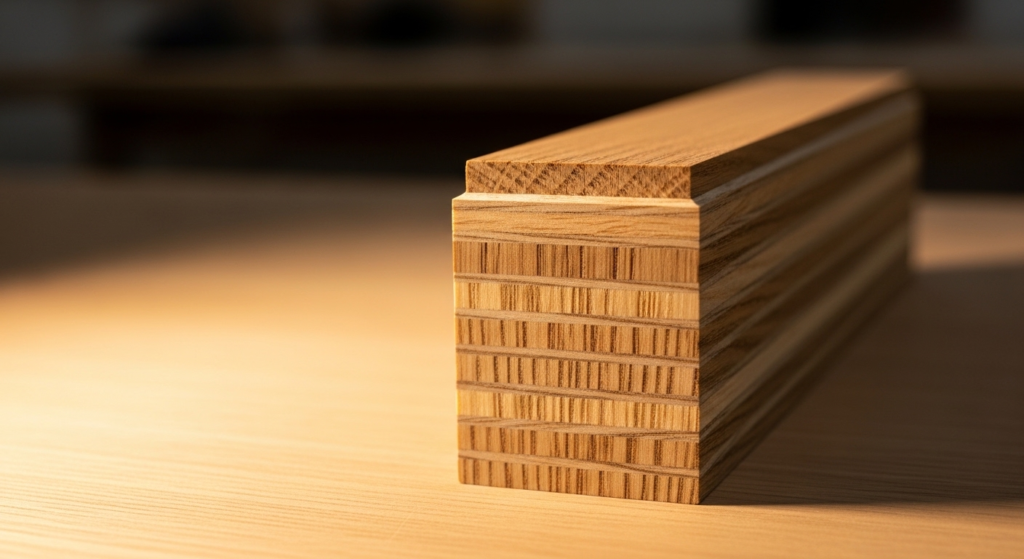
Engineered wood flooring is a multi-layer flooring product with a genuine hardwood veneer on top — typically 2–6mm thick — bonded to multiple layers of high-density plywood or fiberboard beneath. The result is a floor that looks and feels identical to solid hardwood but performs significantly better in environments where moisture, temperature fluctuations, and subfloor variability are concerns.
The top layer is real wood. The grain, color, and texture you see are authentic hardwood — not a printed image or synthetic surface. This is the fundamental difference between engineered wood and laminate or luxury vinyl plank, and it is the foundation of every engineered wood flooring benefit discussed in this guide.
At Prime Epoxy Flooring, we install engineered wood flooring across Delaware and Pennsylvania, helping homeowners in Wilmington, Newark, Middletown, Bear, Smyrna, and beyond choose the right product for their specific home conditions.
The 9 Most Powerful Engineered Wood Flooring Benefits for Homeowners
Here are the nine engineered wood flooring benefits that make this product one of the most popular flooring choices for homeowners in 2026:
- Superior moisture resistance compared to solid hardwood
- Compatible with concrete subfloors and below-grade installations
- Works with radiant heat systems
- More affordable installation cost than solid hardwood
- Authentic real wood appearance and feel
- Multiple installation method options
- Refinishable surface for long-term maintenance
- Significant home resale value increase
- Environmentally responsible use of natural wood resources
Each of these engineered wood flooring benefits deserves a detailed explanation, because understanding the why behind each advantage helps you make a more informed decision for your specific home.
Benefit 1: Superior Moisture Resistance — The Most Important of All Engineered Wood Flooring Benefits
The most significant of all engineered wood flooring benefits is its superior resistance to moisture compared to solid hardwood. The cross-ply plywood core construction prevents the expansion and contraction that causes solid hardwood to warp, cup, and crack in humid environments. This makes engineered wood suitable for kitchens, basements, and coastal properties where solid hardwood would fail.
Delaware’s humid summers and Pennsylvania’s variable seasonal climate create real challenges for wood flooring. Homes near the Delaware coast — particularly in Rehoboth Beach and Edgemoor — experience elevated ambient humidity that would damage solid hardwood within a few years. Engineered wood handles these conditions without issue, making moisture resistance one of the most practically valuable engineered wood flooring benefits for this region.
This benefit also extends to homes with concrete slab foundations — common in many neighborhoods across Townsend and Bear, DE — where moisture vapor from the slab would destroy solid hardwood but poses no significant threat to properly installed engineered wood.
Benefit 2: Compatible With Concrete Subfloors and Below-Grade Installations
One of the most practical engineered wood flooring benefits for modern homes is its compatibility with concrete subfloors. Solid hardwood cannot be safely installed directly over concrete because moisture vapor from the slab causes the wood to swell, warp, and eventually fail. Engineered wood, with its dimensionally stable core, can be glued or floated directly over concrete with appropriate moisture mitigation.
This engineered wood flooring benefit opens up entire areas of the home that would otherwise be off-limits for real wood flooring:
- Basement family rooms and home offices
- Ground-floor living areas over concrete slabs
- Garage conversions
- Below-grade bedrooms and recreation rooms
For homeowners in Norristown, PA and Glen Mills, PA — where split-level and ranch-style homes with concrete subfloors are common — this engineered wood flooring benefit alone often makes the decision straightforward.
Benefit 3: Full Compatibility With Radiant Heat Systems
Radiant underfloor heating is one of the most comfortable and energy-efficient heating systems available for residential homes. However, it creates a significant challenge for solid hardwood flooring: the heat causes the wood to expand and contract repeatedly, leading to gaps, cracking, and structural failure over time.
Engineered wood flooring is specifically designed to handle the temperature fluctuations associated with radiant heat systems. Its cross-ply construction distributes stress evenly across the plank, preventing the damage that would occur with solid hardwood. This engineered wood flooring benefit makes it the only real wood option for homeowners who want the warmth of wood combined with the comfort of radiant heat.
If you are planning a radiant heat installation or already have one in your home, engineered wood is not just a preference — it is the only responsible choice among real wood flooring options.
Benefit 4: More Affordable Installation Cost Without Sacrificing Quality
Cost is a significant factor in any home improvement decision, and the cost advantage is one of the most compelling engineered wood flooring benefits for budget-conscious homeowners.
Engineered Wood vs Solid Hardwood — Cost Comparison:
| Cost Category | Solid Hardwood | Engineered Wood | Savings |
|---|---|---|---|
| Materials Only | $4–$10 per sq ft | $3–$9 per sq ft | $1–$3 per sq ft |
| Labor (Installation) | $3–$8 per sq ft | $2–$6 per sq ft | $1–$2 per sq ft |
| Total Installed Cost | $6–$12 per sq ft | $5–$10 per sq ft | $1–$3 per sq ft |
| Subfloor Prep (Concrete) | Not compatible | $0.50–$1.50 per sq ft | Significant |
For a 1,000-square-foot project, the engineered wood flooring benefit of lower installation cost can translate to $1,000–$3,000 in savings compared to solid hardwood — without any compromise in the appearance or quality of the finished floor.
These savings are even more pronounced when you factor in the reduced subfloor preparation requirements. Engineered wood’s floating installation method eliminates the need for extensive subfloor work in many cases, further reducing total project cost.
For a detailed cost breakdown for your specific project, contact Prime Epoxy Flooring for a free, no-obligation estimate.
Benefit 5: Authentic Real Wood Appearance and Feel
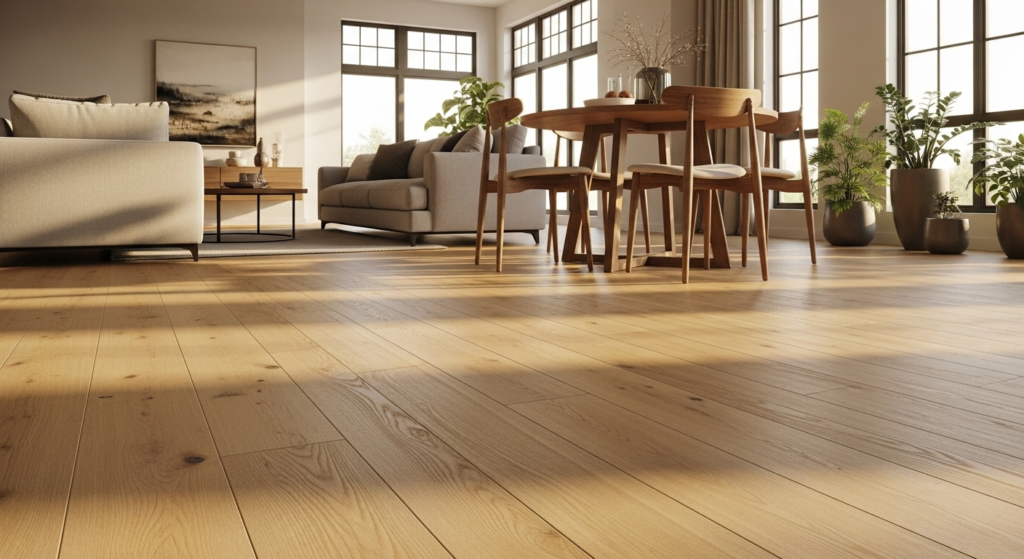
One of the most common misconceptions about engineered wood flooring is that it looks artificial or synthetic. This misconception leads many homeowners to overlook one of the most visually compelling engineered wood flooring benefits: it looks and feels exactly like solid hardwood because the surface layer is genuine hardwood.
The top veneer of engineered wood flooring is real wood — milled from the same species as solid hardwood planks. Red oak, white oak, walnut, maple, hickory, and exotic species are all available in engineered format. The grain patterns, natural color variations, and surface texture are authentic, not printed or simulated.
Once installed, even experienced flooring professionals cannot distinguish engineered wood from solid hardwood by appearance alone. The visual warmth, natural character, and timeless beauty that make hardwood floors so desirable are fully present in engineered wood — making this one of the most underappreciated engineered wood flooring benefits.
This benefit is particularly important for homeowners who want the prestige and aesthetic appeal of real wood floors but need the practical performance advantages that engineered construction provides.
Benefit 6: Multiple Installation Methods for Maximum Flexibility
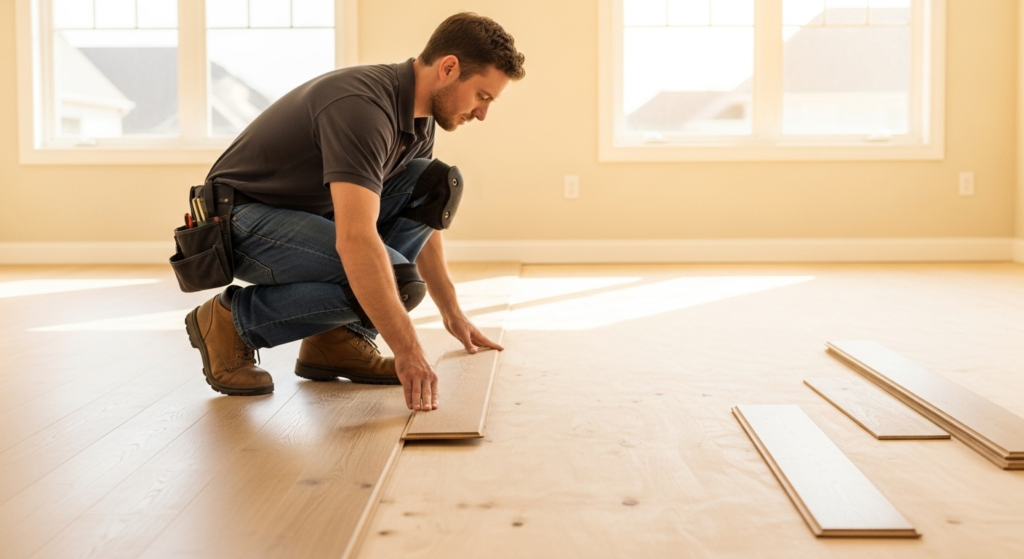
Installation flexibility is one of the most practically valuable engineered wood flooring benefits for homeowners and contractors alike. Unlike solid hardwood, which can only be nailed or stapled to a wood subfloor, engineered wood can be installed using three different methods:
Nail-Down Installation: Planks are nailed or stapled to a wood subfloor. This method provides the most secure, permanent installation and is preferred for above-grade rooms with plywood subfloors.
Glue-Down Installation: Planks are adhered directly to the subfloor using a flooring adhesive. This method is ideal for concrete subfloors and provides excellent stability and sound dampening.
Floating Installation: Planks click together using a tongue-and-groove system and rest on top of the subfloor without adhesive or fasteners. This is the fastest installation method and the most accessible for DIY projects.
This engineered wood flooring benefit means that a single product can be used across multiple rooms with different subfloor types — from a plywood-subfloor bedroom to a concrete-slab basement — without changing the flooring material. The result is a cohesive look throughout the entire home at a lower total cost.
Prime Epoxy Flooring’s installation teams are experienced with all three methods across Delaware and Pennsylvania, including King of Prussia, PA, Media, PA, Broomall, PA, and Greenville, DE.
Discover the Engineered Wood Flooring Benefits for Your Home
The team at Prime Epoxy Flooring has helped hundreds of homeowners across Delaware and Pennsylvania experience these engineered wood flooring benefits firsthand. Schedule your free in-home consultation today — we will assess your subfloor, discuss your goals, and recommend the right product for your specific home.
Benefit 7: Refinishable Surface for Long-Term Beauty and Value
The ability to refinish a floor is one of the most important long-term engineered wood flooring benefits — and one that many homeowners do not realize applies to engineered products.
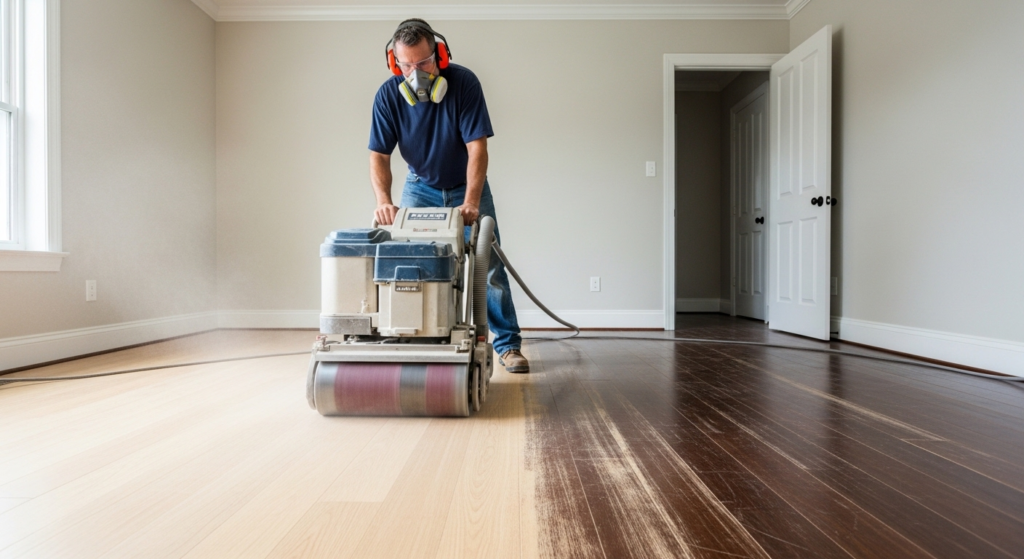
Because the top layer of engineered wood is genuine hardwood, it can be sanded and refinished to remove scratches, stains, and surface wear. Depending on the veneer thickness, engineered wood can typically be refinished 1–3 times over its lifespan:
- 2mm veneer: 1 light refinishing cycle
- 3–4mm veneer: 1–2 refinishing cycles
- 5–6mm veneer: 2–3 refinishing cycles
This engineered wood flooring benefit means that a well-chosen engineered product with a thick veneer can be maintained and restored for decades, extending its useful life and protecting your investment. When your floors begin to show wear after 10–15 years of use, a professional refinishing service can restore them to like-new condition at a fraction of the cost of replacement.
Prime Epoxy Flooring offers professional sanding and refinishing services for both solid and engineered hardwood floors across Delaware and Pennsylvania. If your existing floors are looking worn, refinishing may be the most cost-effective way to enjoy this engineered wood flooring benefit without a full replacement.
Benefit 8: Significant Home Resale Value Increase
Real wood flooring is consistently ranked among the top features that increase home resale value, and engineered wood flooring delivers this benefit at a lower upfront cost than solid hardwood.
According to the National Association of Realtors, homes with hardwood or engineered wood floors sell faster and at higher prices than comparable homes with carpet or laminate. Buyers perceive real wood flooring as a premium feature — and because engineered wood is genuine wood, it carries the same buyer appeal as solid hardwood.
This engineered wood flooring benefit is particularly relevant for homeowners in competitive real estate markets like Wilmington, DE, and the greater Philadelphia suburban area. In these markets, flooring quality is a visible differentiator that influences buyer decisions and final sale prices.
The resale value engineered wood flooring benefit is strongest when:
- The product is installed professionally with proper subfloor preparation
- The veneer is thick enough to allow at least one refinishing cycle
- The species and finish are consistent with current design trends (white oak and natural finishes are particularly popular in 2026)
- The floor is well-maintained and free of visible damage at the time of sale
Benefit 9: Environmentally Responsible Use of Natural Wood Resources
The final engineered wood flooring benefit on this list is one that matters increasingly to modern homeowners: environmental responsibility.
Engineered wood flooring uses significantly less old-growth hardwood than solid hardwood flooring. A single log that would yield a limited number of solid hardwood planks can produce many times more engineered wood planks, because only the top veneer layer requires premium hardwood. The core layers use fast-growing, sustainably managed wood species.
This engineered wood flooring benefit means that choosing engineered wood over solid hardwood reduces the demand for old-growth timber without sacrificing the beauty or performance of a real wood floor. Many engineered wood products are available with Forest Stewardship Council (FSC) certification, confirming that the wood was sourced from responsibly managed forests.
For environmentally conscious homeowners in Delaware and Pennsylvania, this engineered wood flooring benefit adds an important dimension to the value proposition of choosing engineered over solid hardwood.
Real Customer Stories: Experiencing Engineered Wood Flooring Benefits in Delaware and Pennsylvania
The engineered wood flooring benefits described in this guide are not theoretical — they are experienced by real homeowners every day. Here is what customers of Prime Epoxy Flooring have shared:
“We had engineered white oak installed throughout our first floor, including the kitchen and a small mudroom. The moisture resistance benefit has been incredible — we have had zero issues despite heavy use and occasional spills. The floors look as beautiful today as the day they were installed.” — Jennifer W., Wilmington, DE
“I was skeptical about engineered wood at first because I assumed it would look fake. I was completely wrong. The floors are stunning — you genuinely cannot tell the difference from solid hardwood. Prime Epoxy Flooring helped me choose the right product and the installation was perfect.” — David M., Media, PA
“The cost savings compared to solid hardwood were significant, and we used that budget to extend the flooring into our basement — which would have been impossible with solid hardwood. The engineered wood flooring benefits are real and Prime Epoxy Flooring delivered on every one of them.” — Karen S., King of Prussia, PA
You can verify these reviews and find our location on Google Maps. Follow our work on Instagram and Facebook.
Which Rooms Benefit Most From Engineered Wood Flooring?
Understanding where the engineered wood flooring benefits are most impactful helps you plan your project strategically and maximize your investment.
Basements: Where Engineered Wood Flooring Benefits Are Most Critical
Basements are the environment where engineered wood flooring benefits matter most. Below-grade spaces have inherently higher humidity levels and potential for moisture vapor transmission through concrete floors. Solid hardwood is not a viable option in basements, but engineered wood — with proper moisture mitigation — delivers beautiful, durable results.
Kitchens: Moisture Resistance Engineered Wood Flooring Benefits in Action
Kitchens expose flooring to spills, steam, and cleaning moisture on a daily basis. The moisture resistance engineered wood flooring benefit makes it a practical choice for kitchens where solid hardwood would be at risk. Choose a product with a durable aluminum oxide finish for maximum protection in kitchen environments.
Open-Plan Living Areas: Consistency Across Multiple Subfloor Types
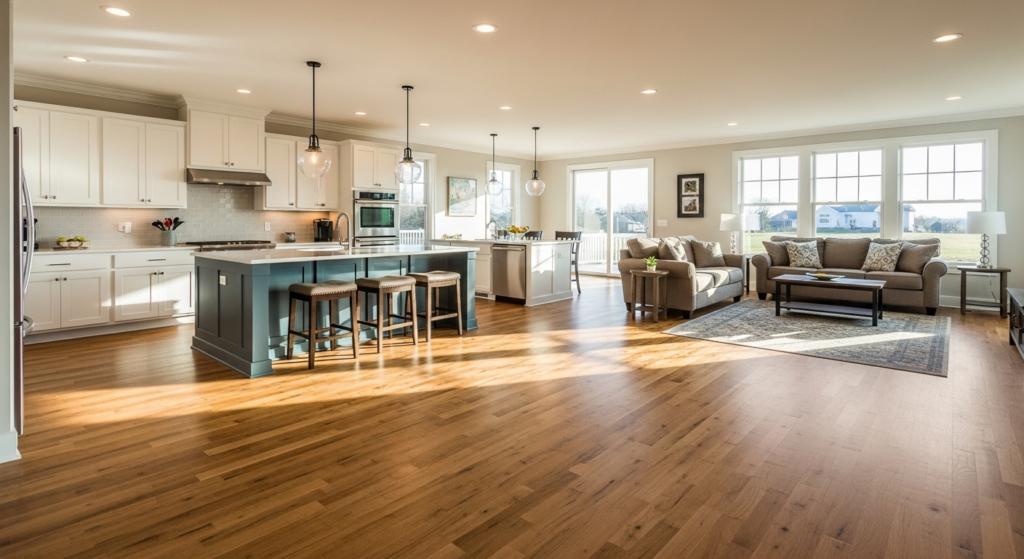
Many modern homes have open-plan layouts that span multiple subfloor types — plywood in one area, concrete in another. The installation flexibility engineered wood flooring benefit allows a single product to be used consistently across the entire space, creating a seamless look that would be impossible with solid hardwood.
Stairs: Durability and Aesthetic Continuity
Engineered wood can be installed on stairs to create a cohesive look throughout the home. Prime Epoxy Flooring offers dedicated stair flooring services that extend the engineered wood flooring benefits from your main living areas to your staircase.
How to Maximize the Engineered Wood Flooring Benefits in Your Home
Getting the most from your engineered wood flooring benefits requires attention to product selection, installation quality, and ongoing maintenance.
Choose the Right Veneer Thickness
The veneer thickness determines how many times the floor can be refinished and how long it will maintain its appearance. For maximum long-term engineered wood flooring benefits, choose a product with a veneer of at least 4mm. This allows at least two refinishing cycles and provides better scratch resistance than thinner veneers.
Invest in Professional Installation
The engineered wood flooring benefits of moisture resistance and dimensional stability are only fully realized when the product is installed correctly. Improper installation — particularly inadequate moisture testing and subfloor preparation — can negate these benefits entirely. Professional installation by an experienced contractor like Prime Epoxy Flooring ensures that every benefit is delivered as intended.
Maintain Proper Indoor Humidity
Even though engineered wood handles moisture better than solid hardwood, maintaining indoor humidity between 35–55% year-round protects the floor and maximizes its lifespan. Use a humidifier in winter and air conditioning or a dehumidifier in summer to keep humidity levels stable.
Use Appropriate Cleaning Products
Clean engineered wood floors with a pH-neutral hardwood floor cleaner. Avoid steam mops, which force moisture into the wood and can damage the adhesive layers in engineered products. Sweep or vacuum regularly to remove grit that scratches the surface finish.
Schedule Periodic Professional Maintenance
Even with regular cleaning, engineered wood floors benefit from professional maintenance every 3–5 years. A screen-and-recoat service refreshes the finish without a full sanding, extending the floor’s life and maintaining its appearance. When the floor eventually shows significant wear, a full professional refinishing by Prime Epoxy Flooring’s sanding and refinishing team can restore it completely.
Engineered Wood Flooring Benefits Compared to Other Flooring Options
Understanding how engineered wood flooring benefits compare to alternatives helps you make the most informed decision for your home.
Featured Snippet Target — Table Format
| Flooring Type | Real Wood Surface | Moisture Resistant | Refinishable | Avg. Installed Cost | Lifespan |
|---|---|---|---|---|---|
| Engineered Wood | Yes | Yes | Yes (1–3x) | $5–$10/sq ft | 25–50 years |
| Solid Hardwood | Yes | No | Yes (5–10x) | $6–$12/sq ft | 50–100 years |
| Laminate | No | Moderate | No | $3–$7/sq ft | 15–25 years |
| Luxury Vinyl Plank | No | Yes (100%) | No | $4–$8/sq ft | 20–30 years |
| Tile | No | Yes (100%) | No | $5–$15/sq ft | 50+ years |
The engineered wood flooring benefits position it uniquely in this comparison: it is the only option that combines a genuine wood surface with meaningful moisture resistance and refinishability. Laminate and luxury vinyl offer moisture resistance but lack a real wood surface. Solid hardwood offers superior refinishability but lacks moisture resistance.
If you are considering alternatives, Prime Epoxy Flooring also installs laminate flooring, luxury vinyl plank and tile, and tile flooring across Delaware and Pennsylvania. Our team can help you evaluate all options and choose the right product for your specific needs.
For luxury vinyl plank options in your area, explore our local service pages: Greenville, DE, King of Prussia, PA, Media, PA, Norristown, PA, Broomall, PA, and Glen Mills, PA.
Common Mistakes That Prevent Homeowners From Fully Enjoying Engineered Wood Flooring Benefits
Even with the best product, these mistakes can undermine the engineered wood flooring benefits you are paying for:
Choosing a product with too thin a veneer. Budget engineered products with 2mm veneers offer limited refinishing potential and reduced scratch resistance. Always verify veneer thickness before purchasing.
Skipping moisture testing before installation. Even though engineered wood is moisture-resistant, it is not waterproof. A professional moisture test before installation identifies potential issues and allows for appropriate mitigation measures.
Installing without proper acclimation. Engineered wood must acclimate to the room’s temperature and humidity for 48–72 hours before installation. Skipping this step can cause dimensional changes after installation.
Using the wrong cleaning products. Steam mops and excessive water damage engineered wood floors over time. Always use products specifically formulated for hardwood or engineered wood floors.
Neglecting periodic refinishing. One of the key engineered wood flooring benefits is the ability to refinish the surface. Homeowners who neglect this maintenance option allow surface damage to accumulate until full replacement becomes necessary — a much more expensive outcome.
Choosing the wrong installation method for the subfloor. Each installation method has specific subfloor requirements. Using a floating installation over an uneven subfloor, for example, can cause the floor to flex and create noise. Always match the installation method to the subfloor conditions.
Engineered Wood Flooring Benefits
Is engineered wood flooring worth the investment? Yes. The engineered wood flooring benefits — including moisture resistance, installation flexibility, real wood appearance, and resale value increase — make it one of the best value flooring investments for most homeowners. It delivers the beauty of real wood at a lower cost than solid hardwood, with better performance in challenging environments.
How long do engineered wood floors last? Engineered wood floors typically last 25–50 years with proper maintenance. The lifespan depends on veneer thickness, installation quality, and maintenance practices. Floors with thicker veneers that are professionally installed and periodically refinished can last at the higher end of this range.
Can engineered wood flooring be installed in a bathroom? Engineered wood is more moisture-resistant than solid hardwood, but it is not recommended for full bathroom installation due to the high levels of standing water and steam. For bathrooms, luxury vinyl plank or tile are more appropriate choices. Engineered wood can be used in powder rooms with limited moisture exposure.
What is the best engineered wood flooring species for homes with pets? Harder species like hickory, white oak, and Brazilian cherry offer the best scratch resistance for homes with pets. These species are available in engineered format and deliver the durability benefit alongside all other engineered wood flooring benefits.
Does engineered wood flooring add value to a home? Yes. Engineered wood flooring adds measurable resale value to a home. Buyers perceive real wood flooring as a premium feature, and engineered wood — with its genuine hardwood surface — delivers the same buyer appeal as solid hardwood at a lower installation cost.
FAQ
Q: What are the main engineered wood flooring benefits compared to solid hardwood? A: The main engineered wood flooring benefits compared to solid hardwood include superior moisture resistance, compatibility with concrete subfloors and below-grade installations, lower installation cost, compatibility with radiant heat systems, and multiple installation method options — all while delivering an identical real wood appearance.
Q: How many times can engineered wood flooring be refinished? A: Engineered wood flooring can be refinished 1–3 times depending on the veneer thickness. Products with a 2mm veneer allow one light refinishing, while products with a 5–6mm veneer allow 2–3 full refinishing cycles. This refinishability is one of the key engineered wood flooring benefits that distinguishes it from laminate and luxury vinyl.
Q: Is engineered wood flooring good for basements? A: Yes. One of the most important engineered wood flooring benefits is its suitability for below-grade installations. Its cross-ply construction resists moisture vapor from concrete subfloors, making it the only real wood flooring option appropriate for basement installation with proper moisture mitigation.
Q: What is the average cost of engineered wood flooring installation? A: The average cost of engineered wood flooring installation is $5–$10 per square foot, including materials and labor. This is $1–$3 per square foot less than solid hardwood installation, making cost savings one of the most tangible engineered wood flooring benefits for budget-conscious homeowners.
Q: How do I maintain engineered wood floors to preserve their benefits? A: Maintain engineered wood floors by sweeping or vacuuming regularly, cleaning with a pH-neutral hardwood floor cleaner, wiping up spills immediately, maintaining indoor humidity between 35–55%, and scheduling a professional screen-and-recoat every 3–5 years. These practices preserve all engineered wood flooring benefits and extend the floor’s lifespan.
Conclusion: The Engineered Wood Flooring Benefits That Make It the Smart Choice for Delaware and Pennsylvania Homeowners
The engineered wood flooring benefits covered in this guide represent a compelling case for choosing this product in a wide range of home environments. To summarize what you have learned:
The nine engineered wood flooring benefits — moisture resistance, concrete subfloor compatibility, radiant heat compatibility, lower cost, authentic wood appearance, installation flexibility, refinishability, resale value increase, and environmental responsibility — make engineered wood one of the most versatile and valuable flooring investments available in 2026.
These engineered wood flooring benefits are especially relevant for homeowners in Delaware and Pennsylvania, where humid summers, variable seasonal conditions, and a mix of subfloor types create real challenges that engineered wood is uniquely equipped to handle.
Whether you are renovating a basement in Wilmington, updating a kitchen in King of Prussia, refreshing a living room in Media, or installing new floors throughout a home in Broomall or Glen Mills, the engineered wood flooring benefits make this product worth serious consideration.
At Prime Epoxy Flooring, we have the expertise, the product knowledge, and the installation experience to help you realize every one of these engineered wood flooring benefits in your home. Our team serves homeowners across Delaware and Pennsylvania with honest advice, transparent pricing, and exceptional craftsmanship.
Ready to experience the engineered wood flooring benefits in your home? Contact Prime Epoxy Flooring today for your free, no-obligation consultation. Call us at +1 (302) 600-2835, email info@primeepoxyflooring.com, or fill out our contact form here. We are available Monday–Friday 8AM–5PM and Saturday 8AM–12PM.
Company Information
Prime Epoxy Flooring 300 Cassidy Dr Ste 305, Wilmington, DE 19804, United States Phone: +1 (302) 600-2835 Email: info@primeepoxyflooring.